Pest & Disease Reference
Search pests and diseases by name, affected crop, or severity. Includes prevention and organic treatment advice.
124 results
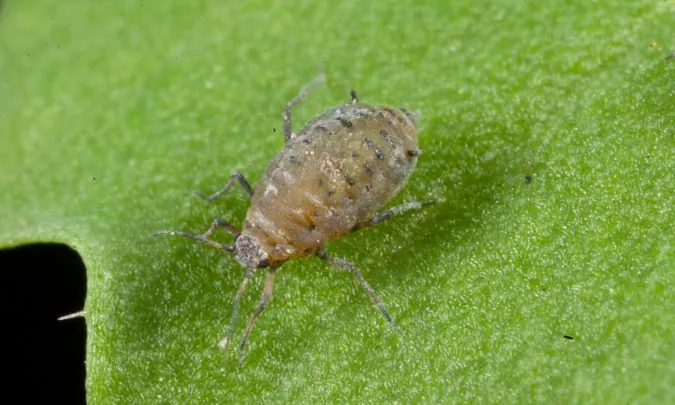
Insect / Pest
Cabbage aphids are one of several aphid species that can be problematic in canola crops. — Photo: Andrew Weeks, Cesar Australia
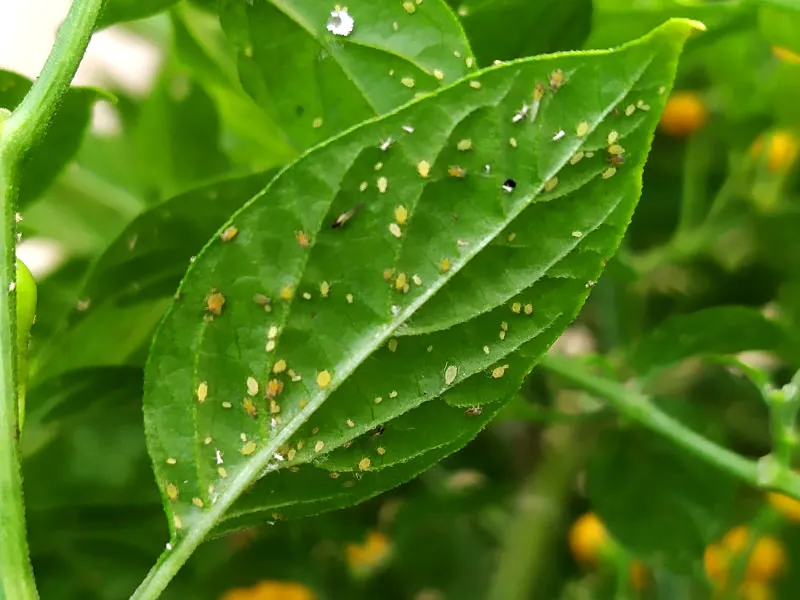
Insect / Pest
Check the underside of leaves for eggs — Photo: https://www.worldofchillies.com/
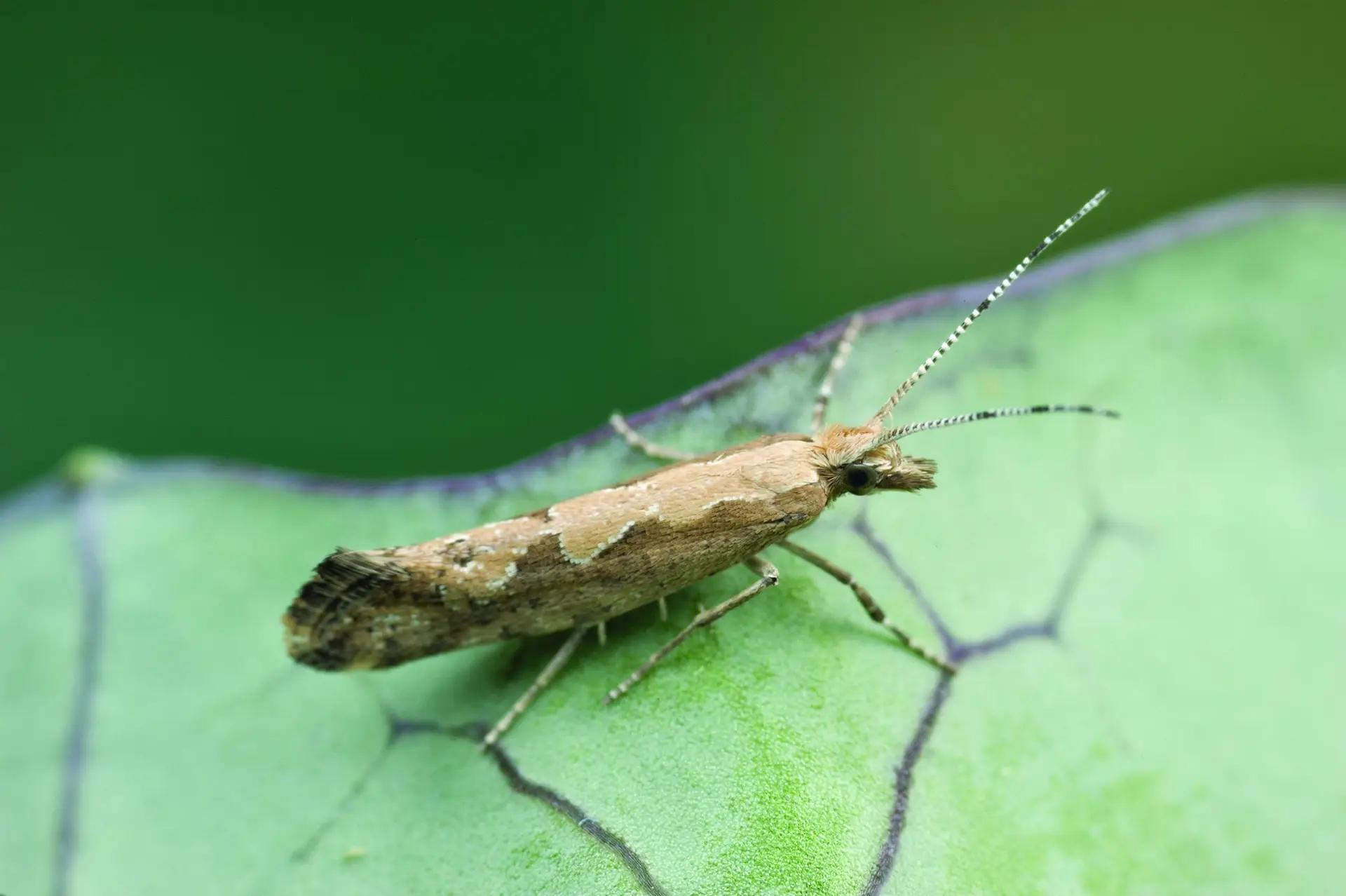
Insect / Pest
Diamondback Moths are found throughout PNG and are very active in the main brassica growing regions. — Photo: https://biologicalservices.com.au/pests/diamondback-moth/
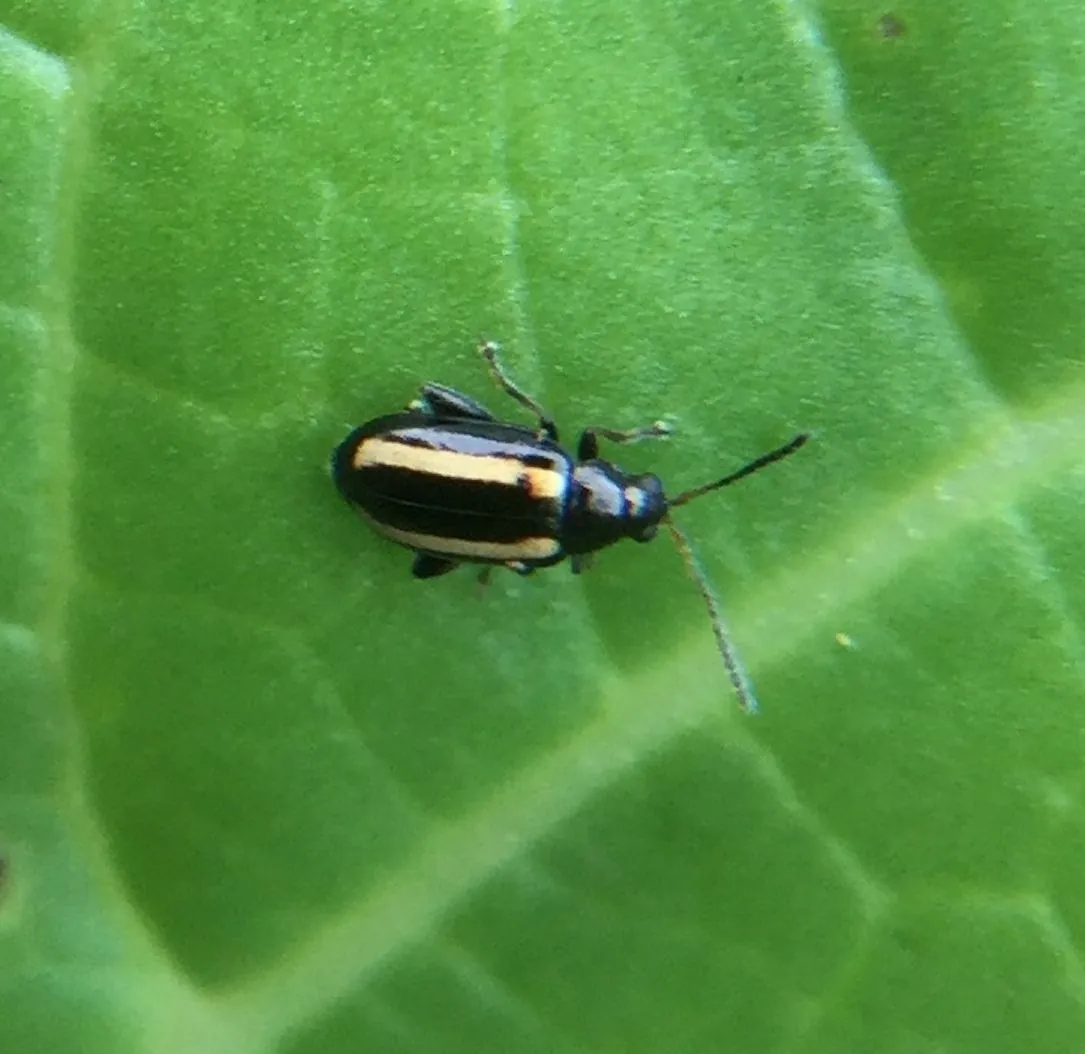
Insect / Pest
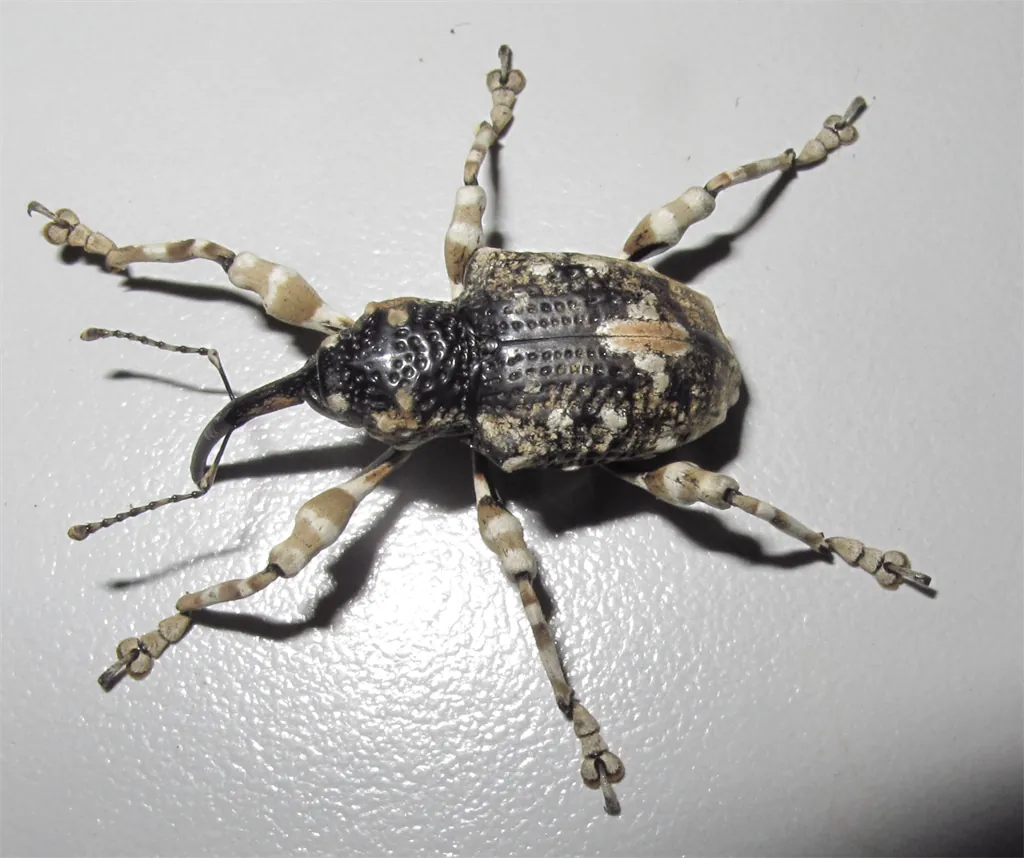
Adult galip weevil — Photo: Pacific Pests, Pathogens, Weeds & Pesticides
Insect / Pest
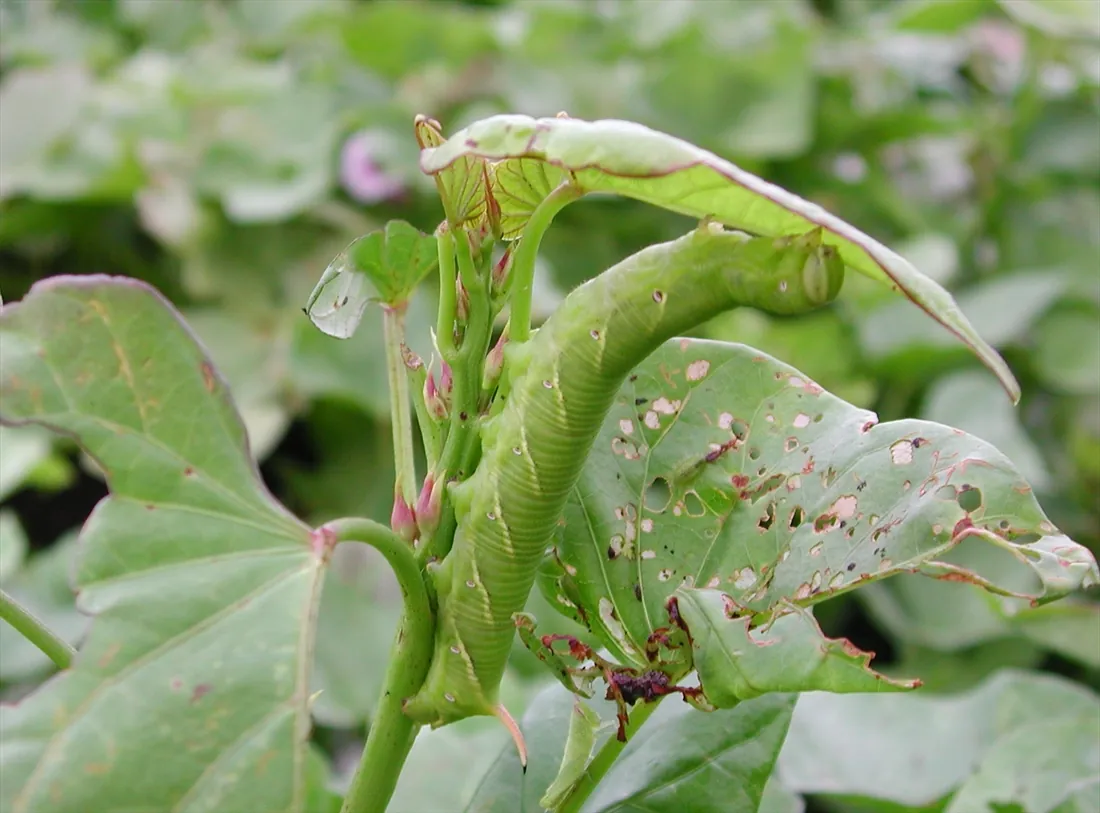
Sweet potato hornworm larva, Note colours range from green, brown to black. — Photo: Pacific Pests, Pathogens & Weeds
Insect / Pest
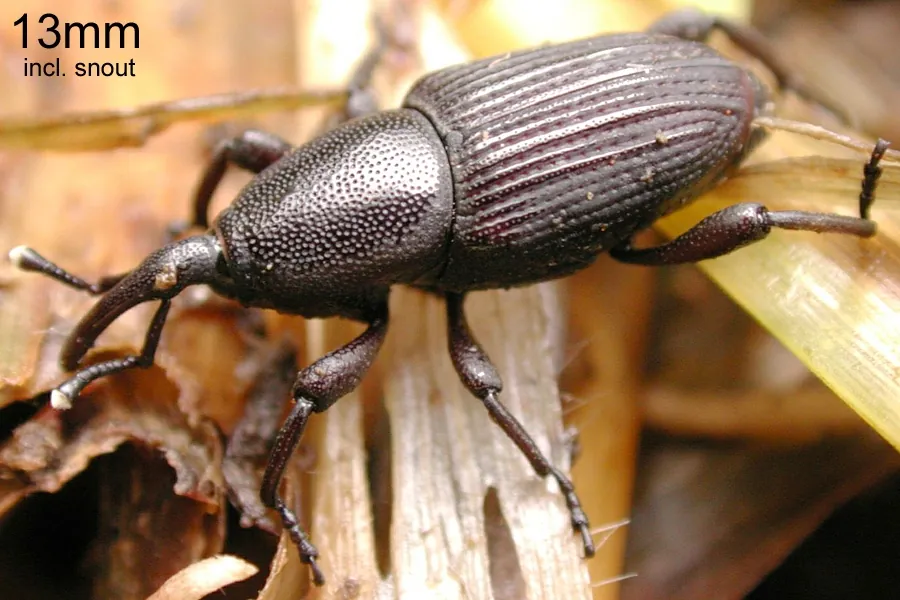
Adult banana weevil — Photo: Pacific Pests, Pathogens & Weeds
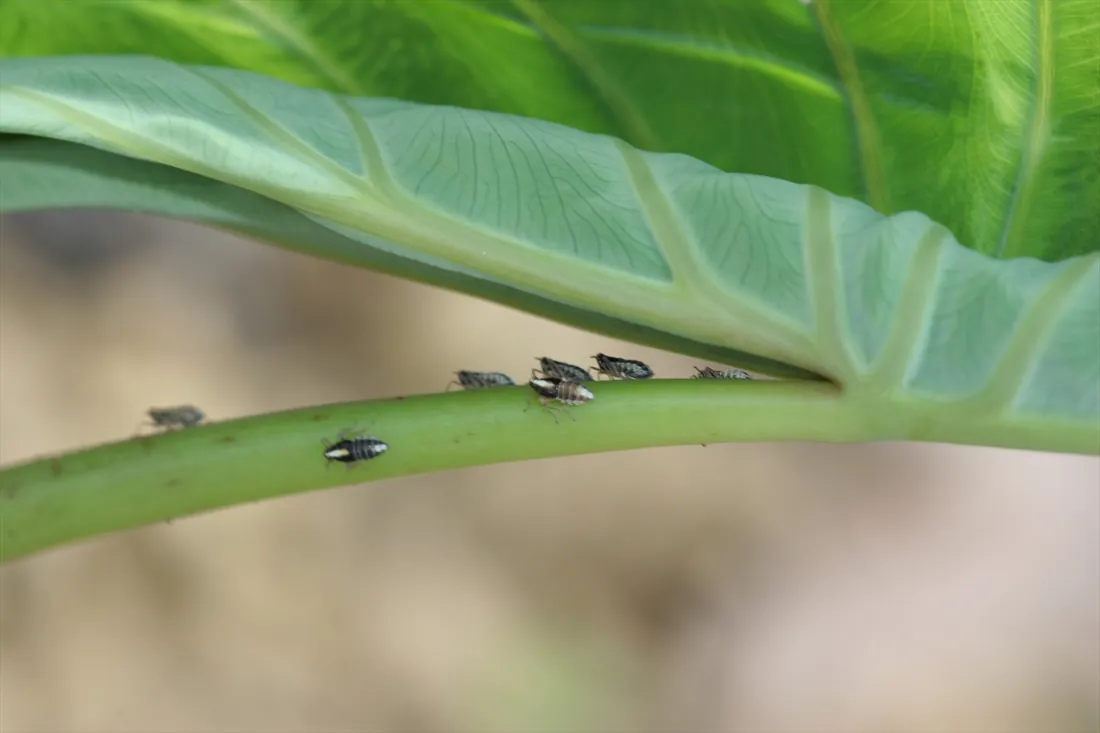
Insect / Pest
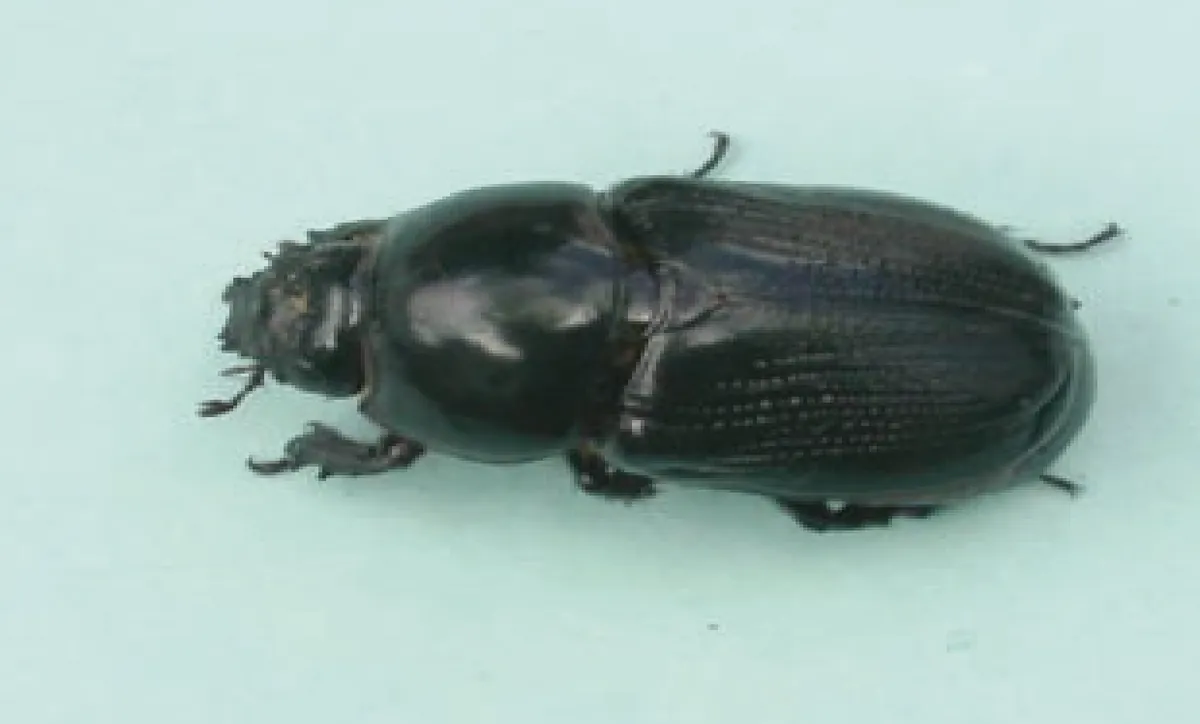
Taro planthoppers prefer sites on the plant where humidity is highest. — Photo: Pacific Pests, Pathogens & Weeds
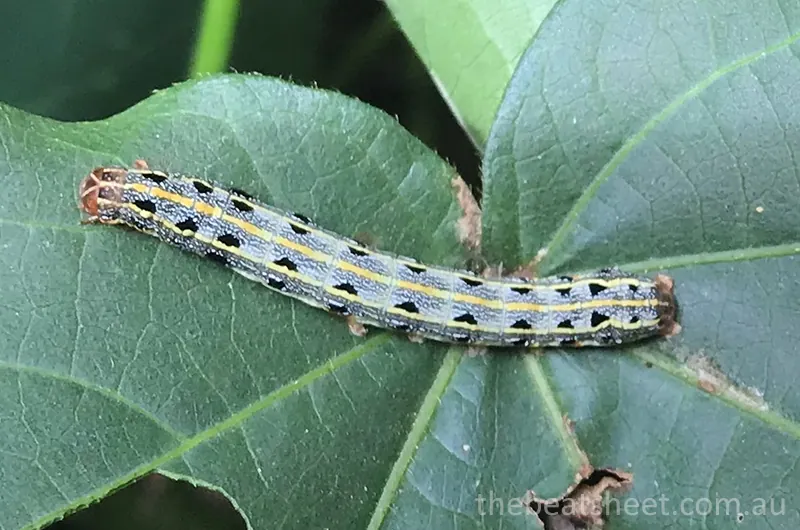
Insect / Pest
A medium cluster caterpillar larvae — Photo: https://thebeatsheet.com.au/
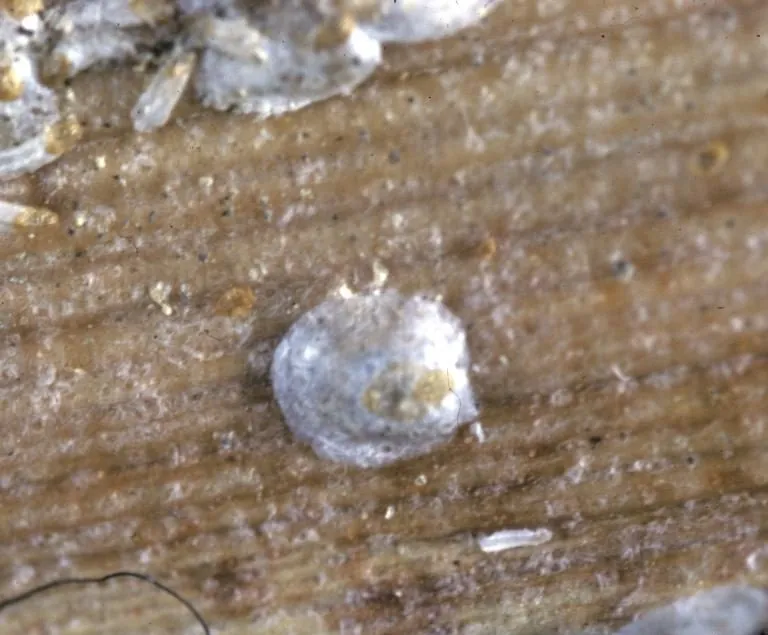
Insect / Pest
Pineapple scale insects — Photo: USDA Agricultural Research Service, Bugwood.org
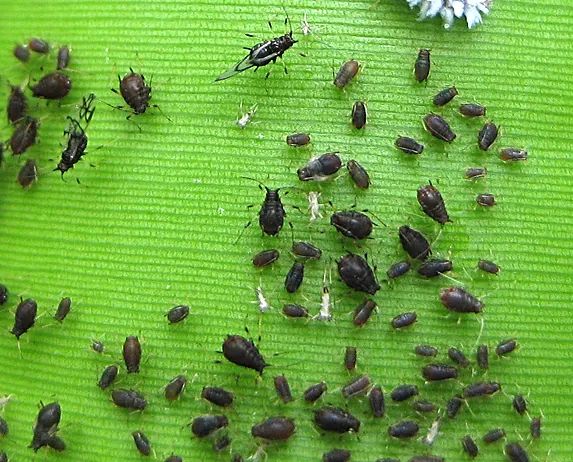
Insect / Pest
Colony of Banana Aphids — Photo: Pacific Pests, Pathogens & Weeds
Insect / Pest
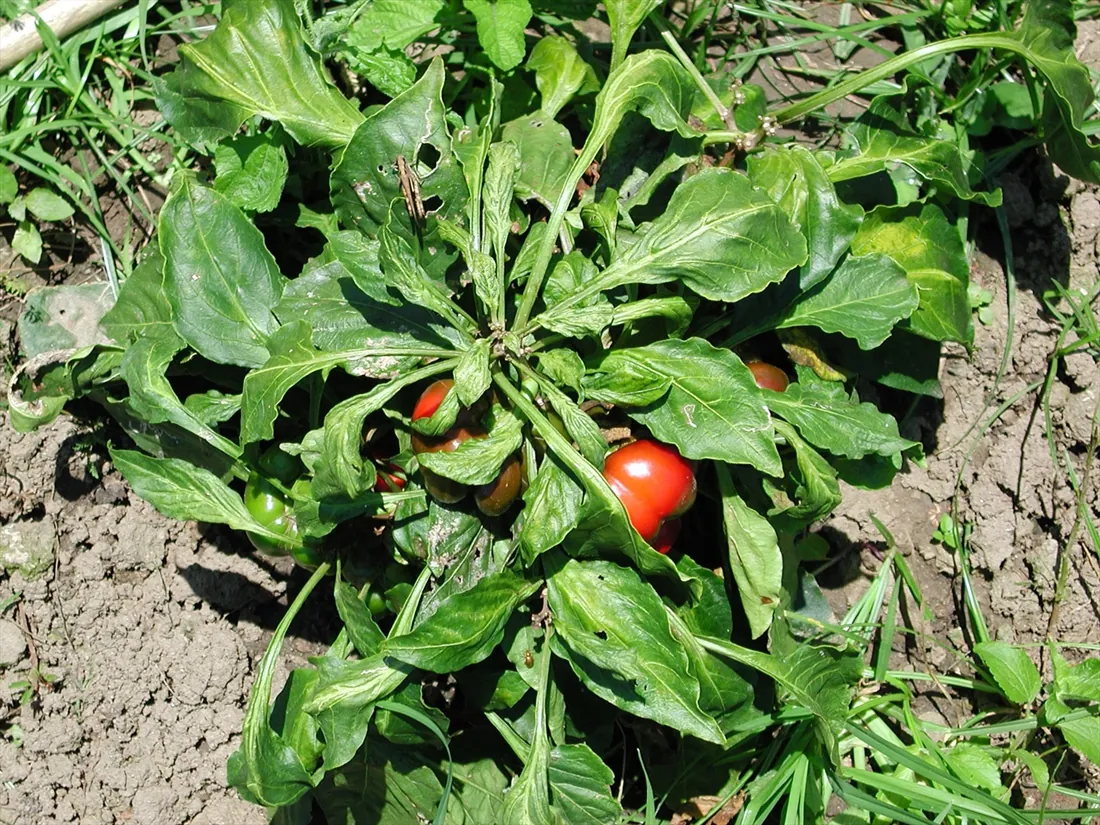
Extensive damage of the young leaves caused by the broad mite — Photo: Pacific Pests, Pathogens & Weeds
Insect / Pest
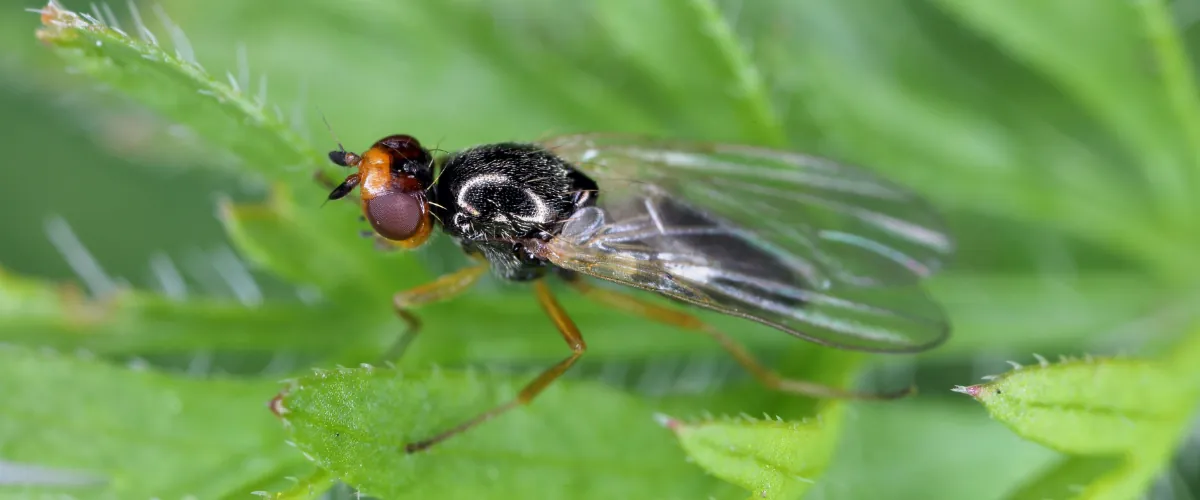
A mature carrot rust fly, Chamaepsila rosae — Photo: https://ausveg.com.au/knowledge-hub/exotic-plant-pest-profile-carrot-rust-fly/
Insect / Pest
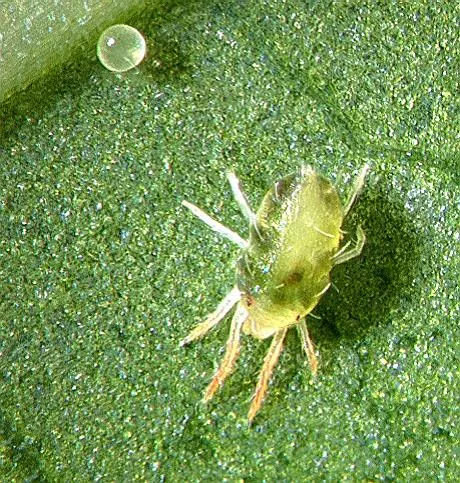
Cassava green mite adult and egg (Eric Boa, CABI) — Photo: https://plantwiseplusknowledgebank.org/
Insect / Pest
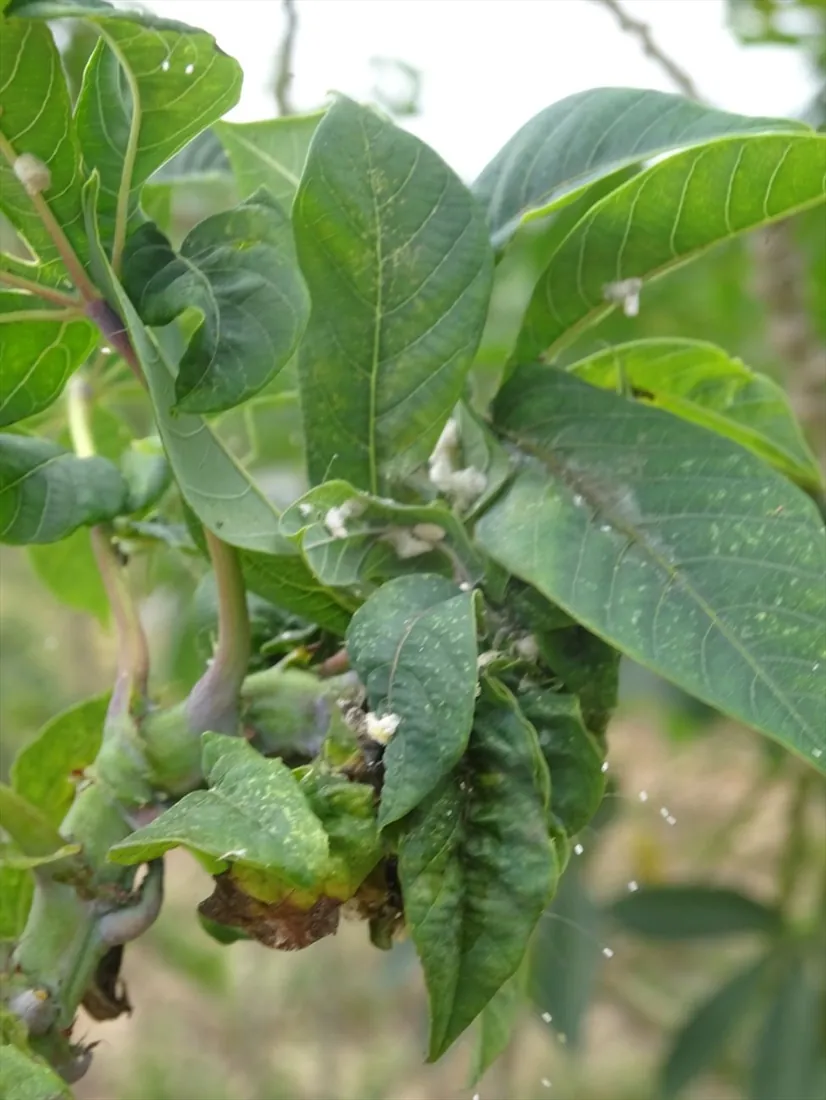
Cassava mealybug, distorting terminal shoot of cassava. — Photo: Pacific Pests, Pathogens & Weeds
Insect / Pest
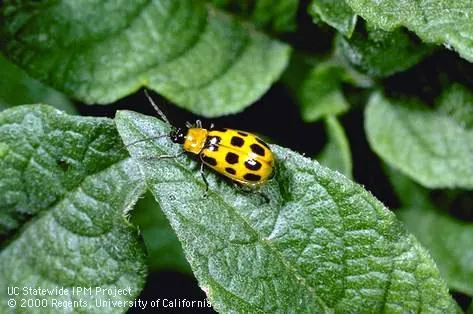
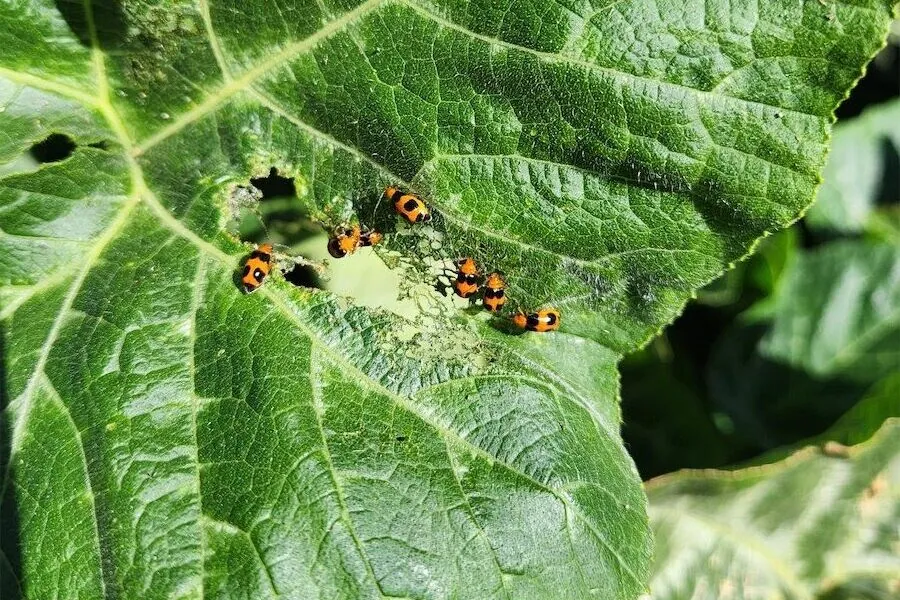
Western spotted cucumber beetle. — Photo: https://ipm.ucanr.edu/
Insect / Pest
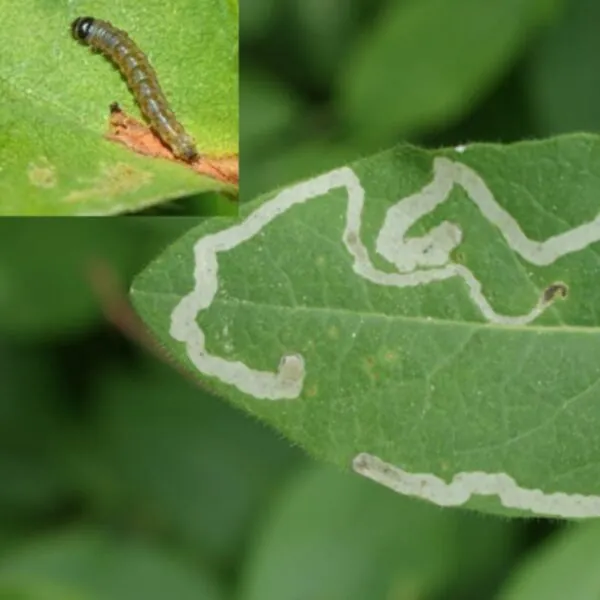
A highly destructive pest for legumes, particularly groundnuts and soybeans. — Photo: https://huntinorganics.com/crops/groundnut/
Insect / Pest
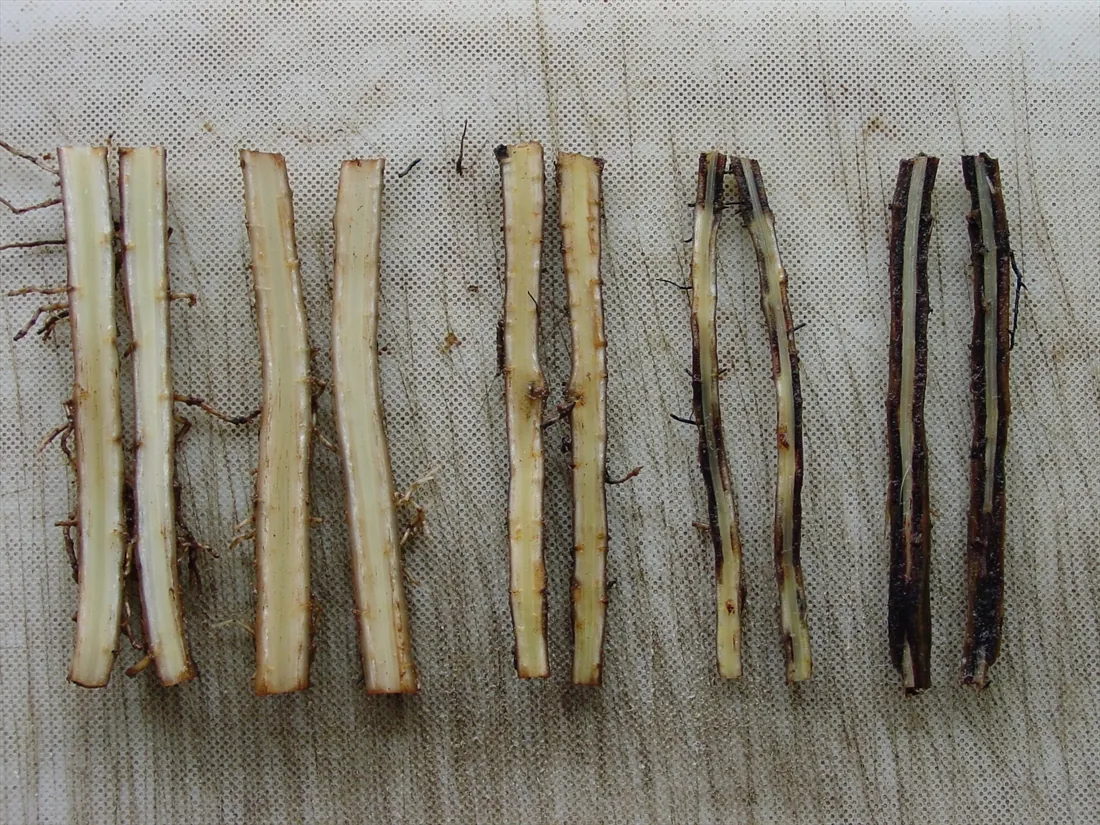
Progressive development of root rot symptoms (from left to right) by the burrowing nematode in banana roots. — Photo: Pacific Pests, Pathogens & Weeds
Insect / Pest
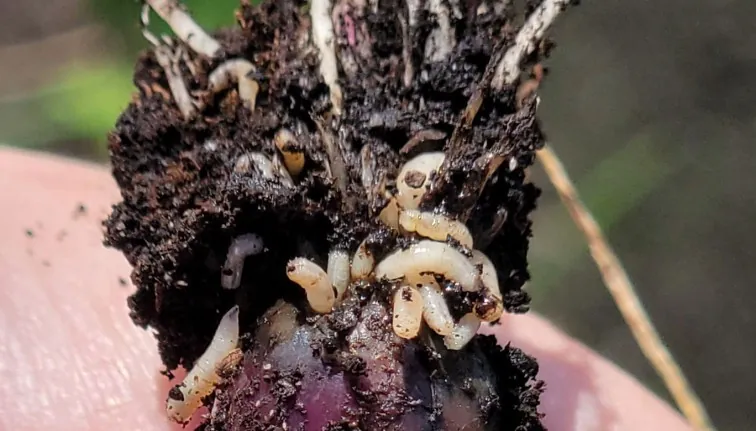
Onion plant infested with maggots. — Photo: https://cals.cornell.edu/integrated-pest-management
Insect / Pest
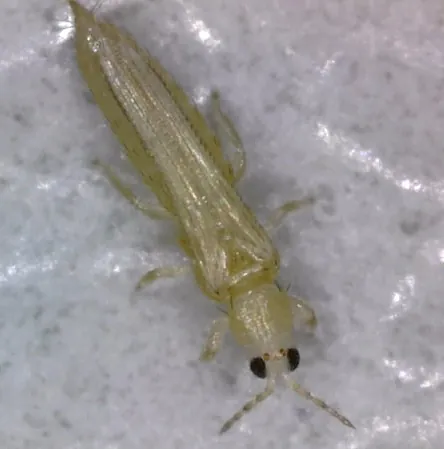
Adult Thrips are about 1.5 mm long with red eyes. — Photo: Pacific Pests, Pathogens & Weeds
Insect / Pest
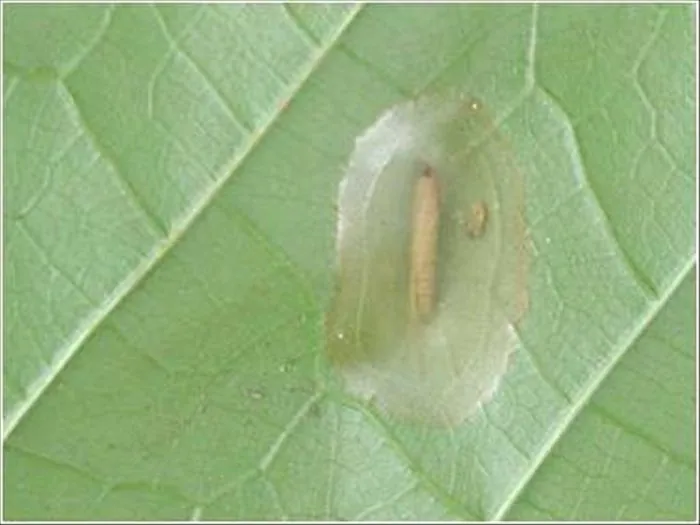
Pupa of cocoa pod borer inside a silk cocoon on the underside of a leaf. — Photo: Pacific Pests, Pathogens & Weeds
Insect / Pest
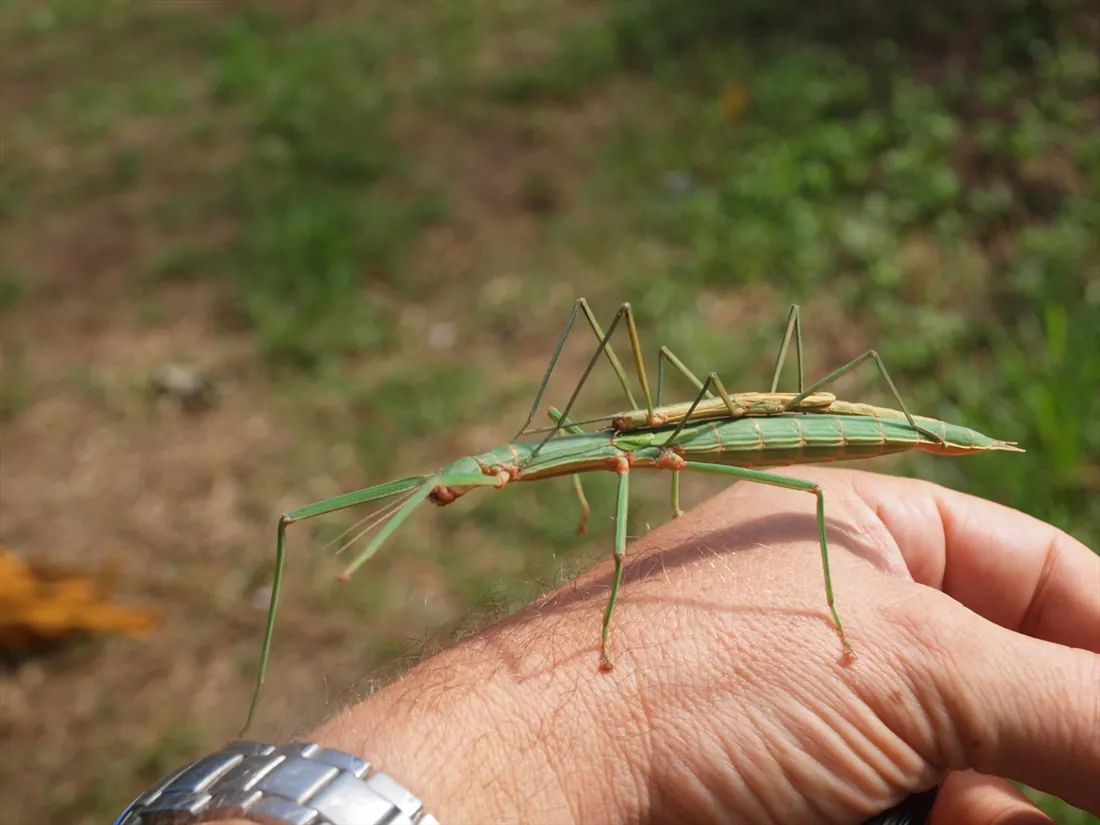
Male and female stick insect — Photo: Pacific Pests, Pathogens & Weeds
Insect / Pest
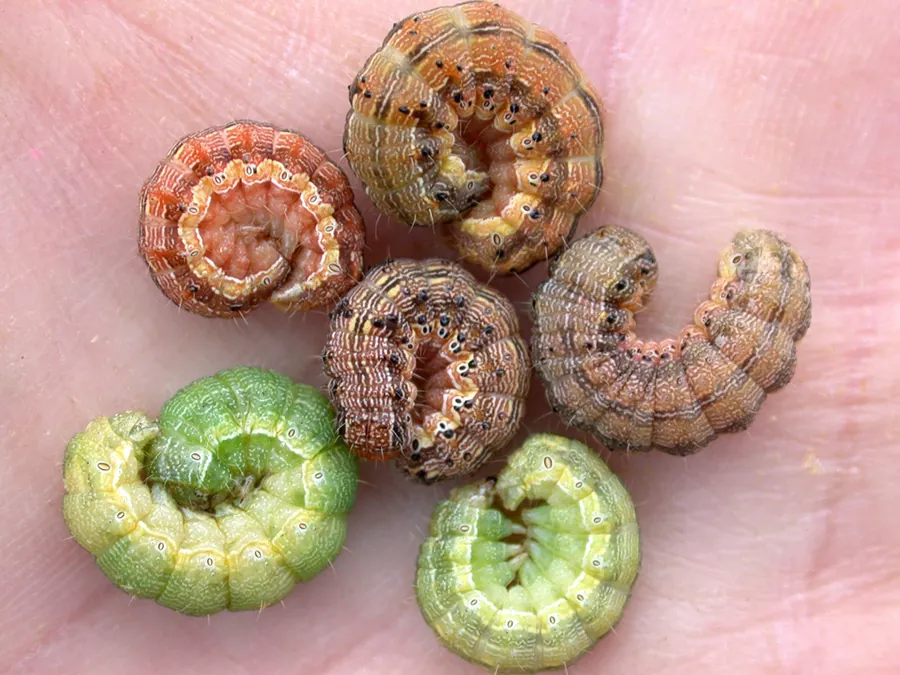
Earworm larvae come in many different colors — Photo: J. Obermeyer
Insect / Pest
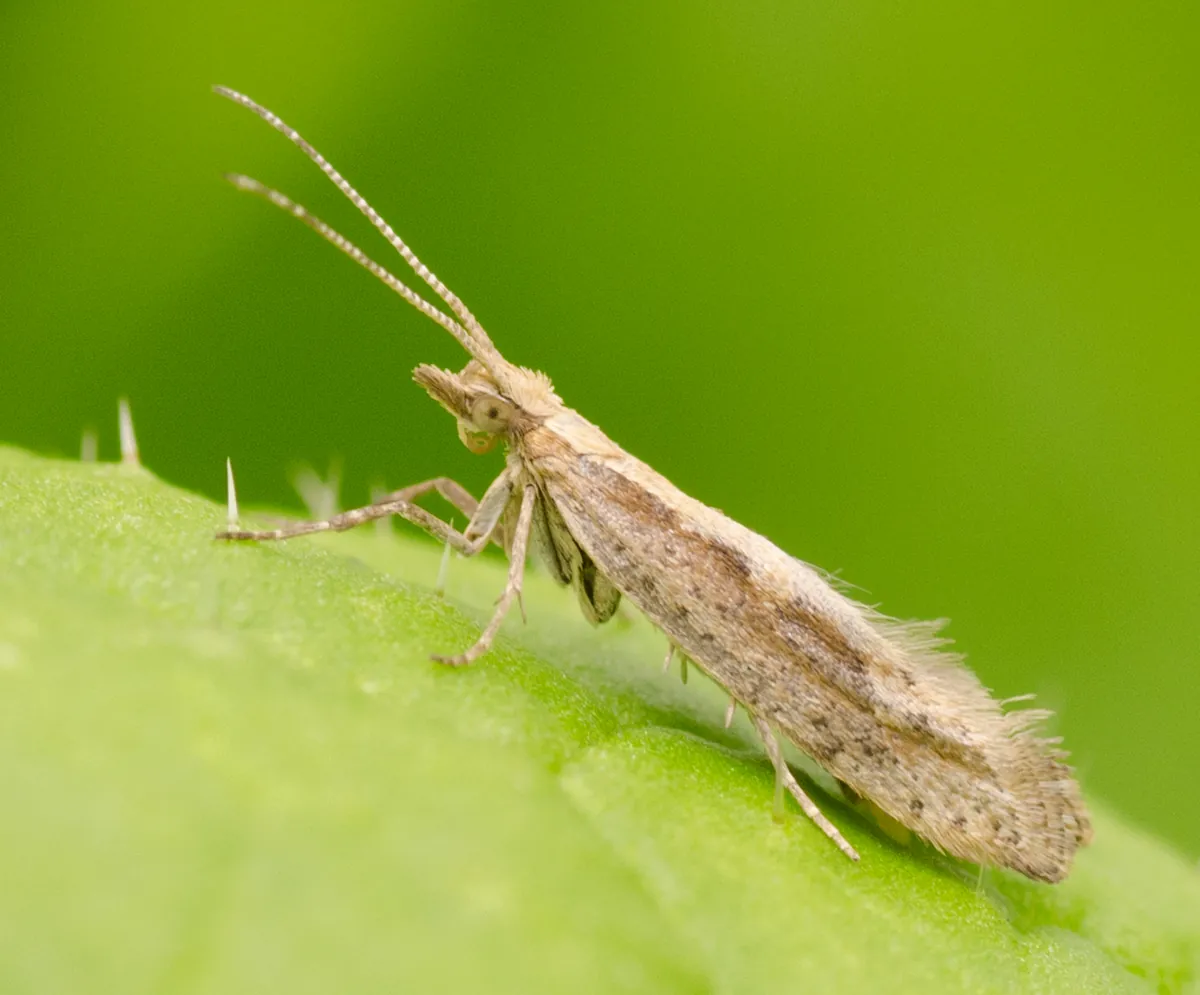
DMB is a small, grey-brown moth, a pest that is present worldwide. — Photo: https://horticulture.ahdb.org.uk/
Insect / Pest
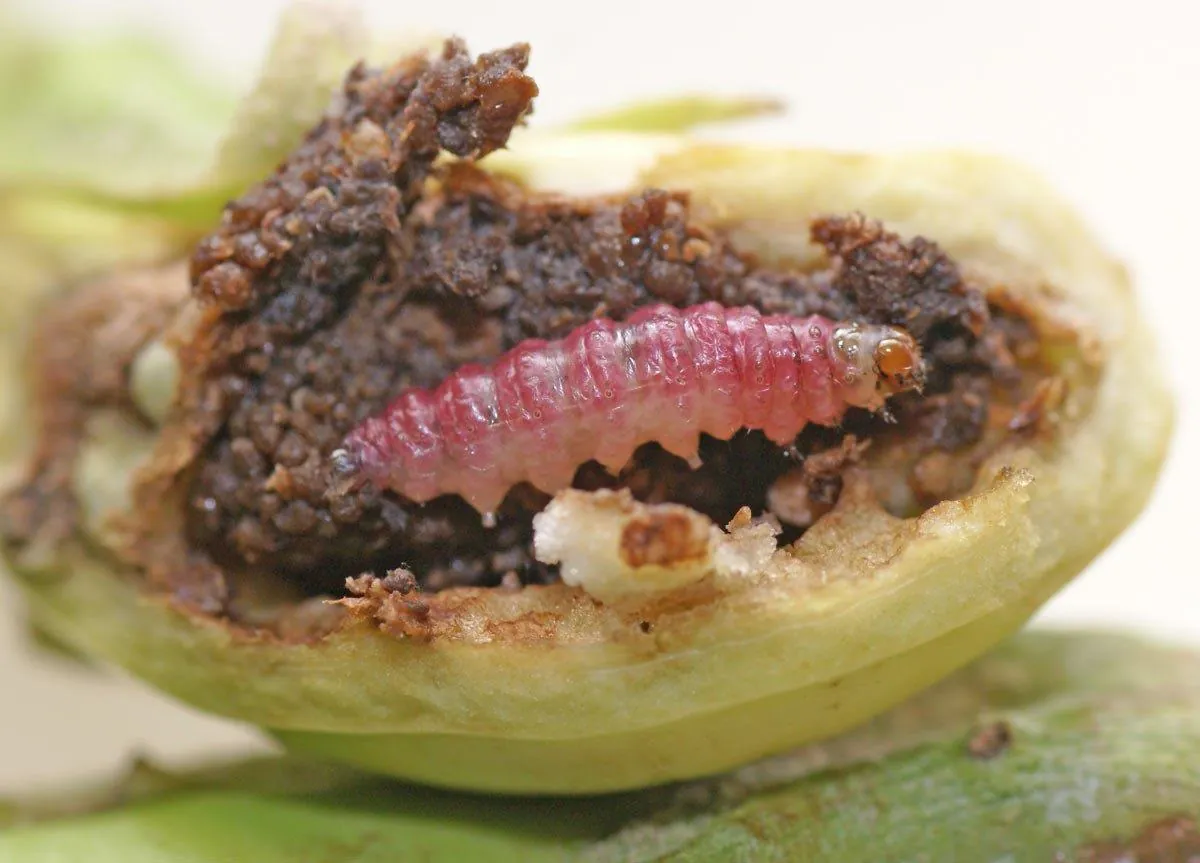
A fruit borer pupa in an eggplant fruit — Photo: NBAIR
Insect / Pest
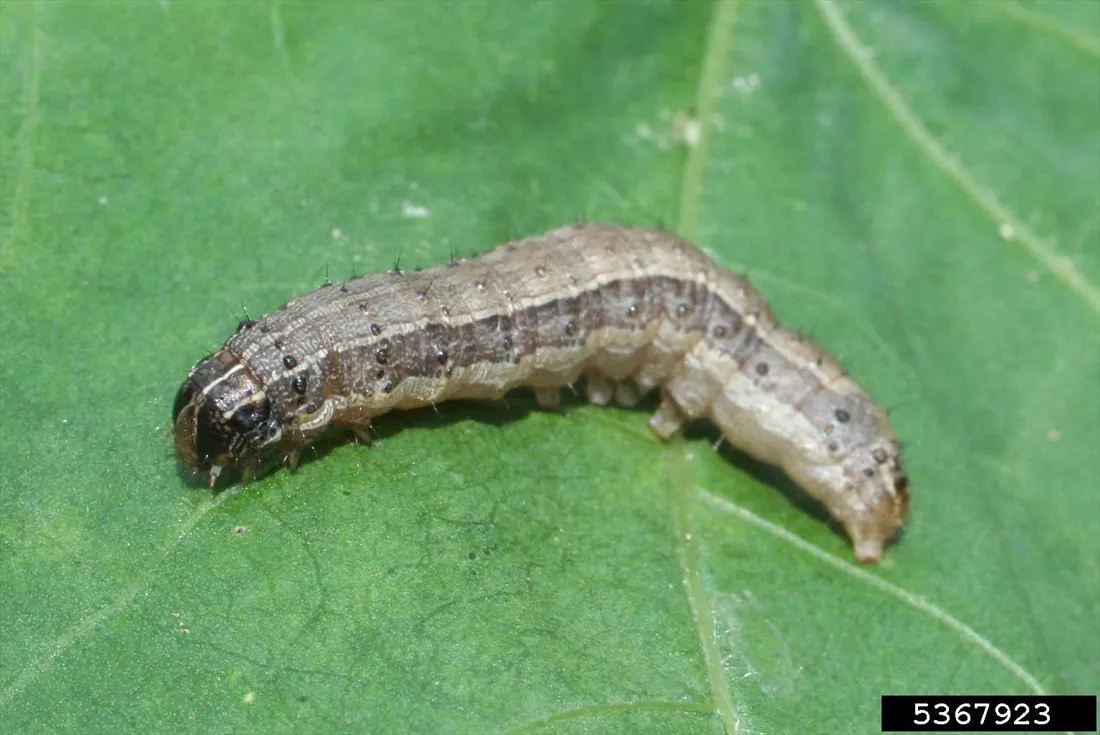
Mature larva of the fall armyworm. Note the inverted Y on the head, and the bristles from black spots. — Photo: Pacific Pests, Pathogens & Weeds
Insect / Pest
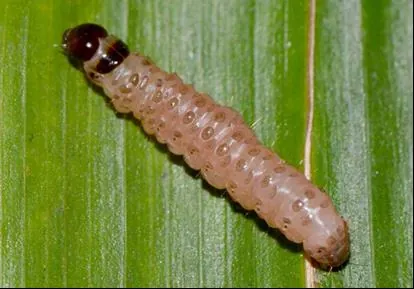
About 2 cm fully grown shoot borer larvae — Photo: NBAIR
Insect / Pest
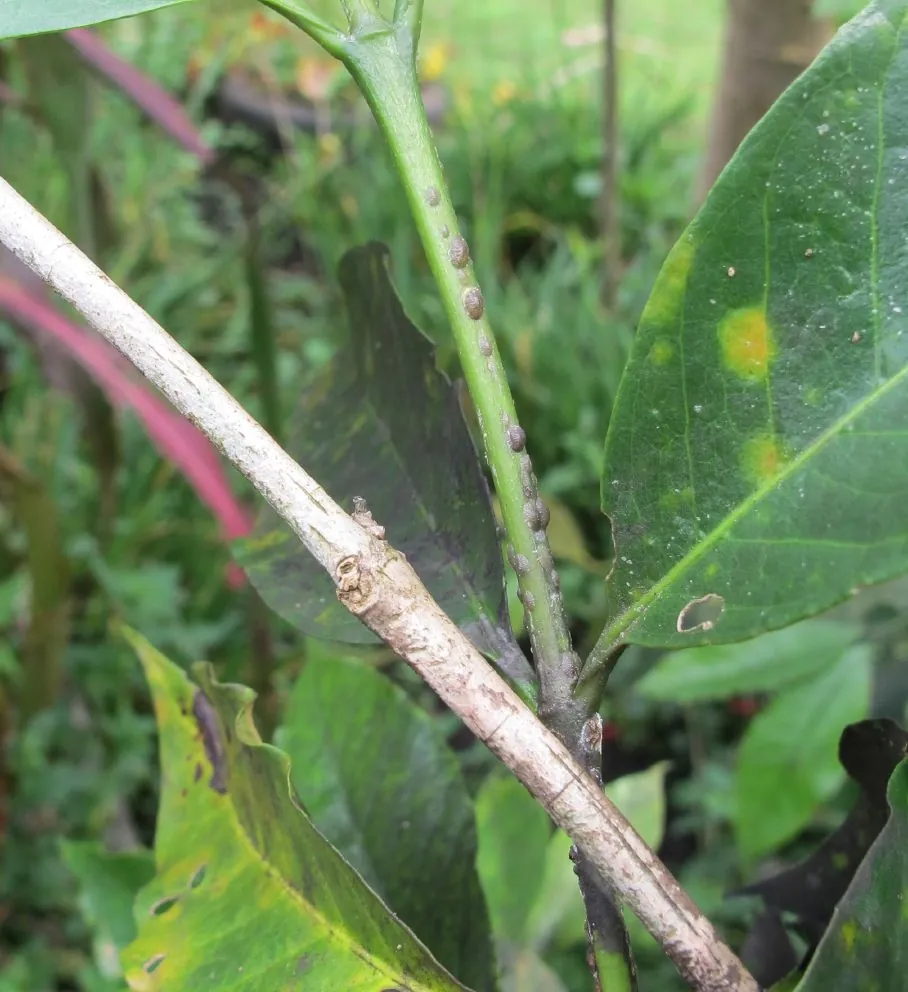
Adult coffee green scales on coffee stem. — Photo: Pacific Pests, Pathogens & Weeds
Insect / Pest
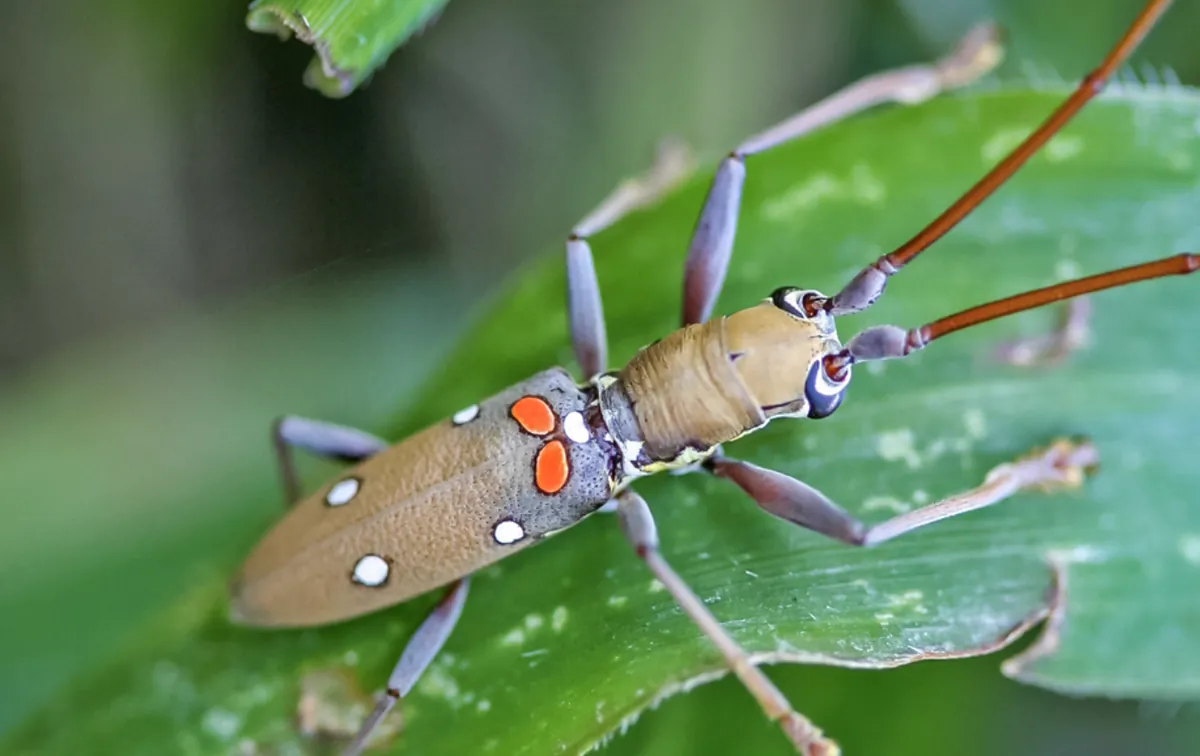
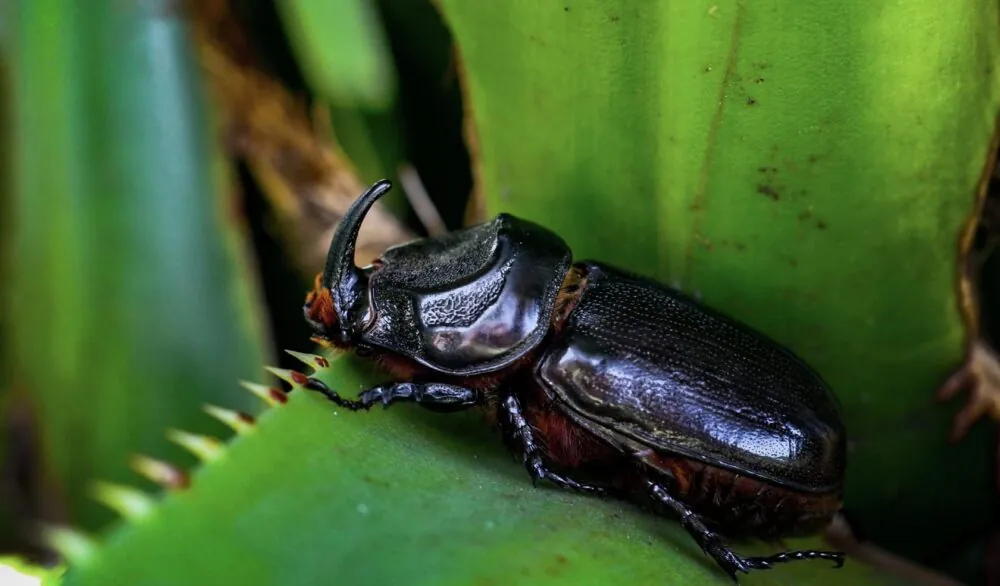
An adult coconut Rhinoceros Beetle — Photo: https://www.kauaiisc.org/pests/coconut-rhinoceros-beetle/
Insect / Pest
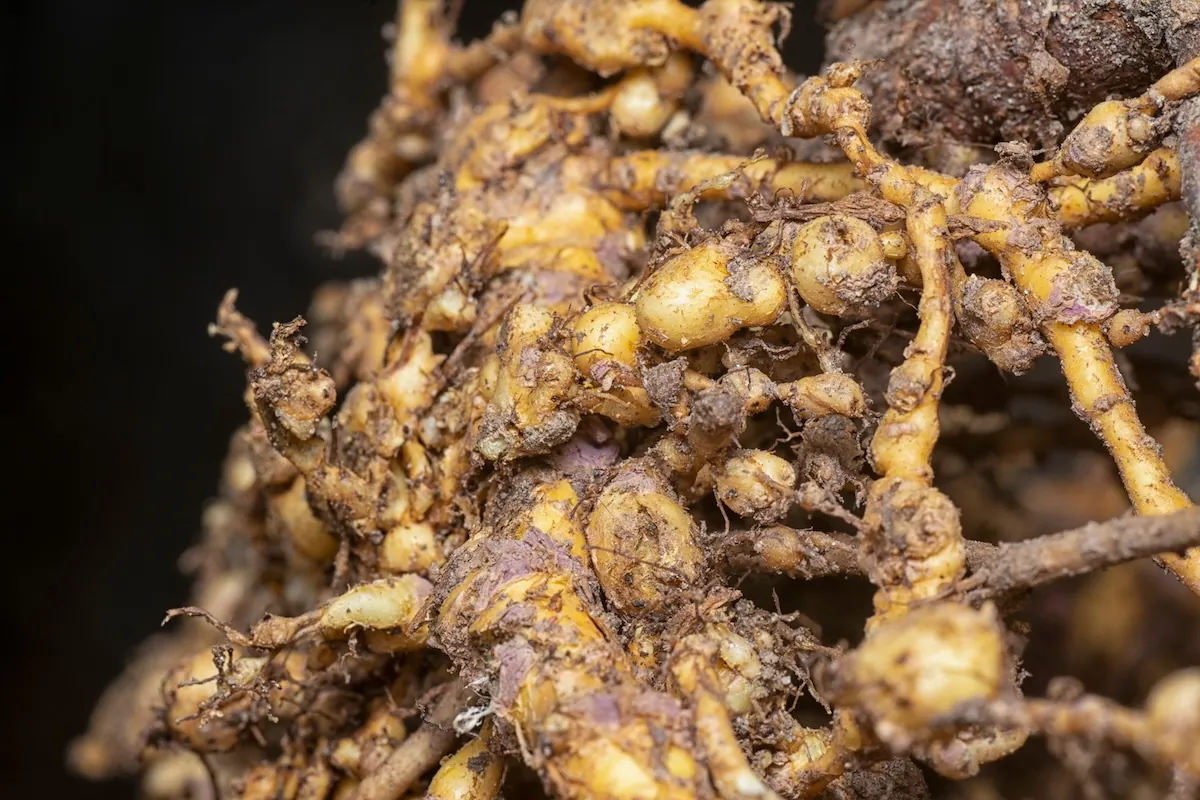
An uprooted plant with root knot nematode infection. — Photo: https://www.almanac.com/pest/root-knot-nematodes
Insect / Pest
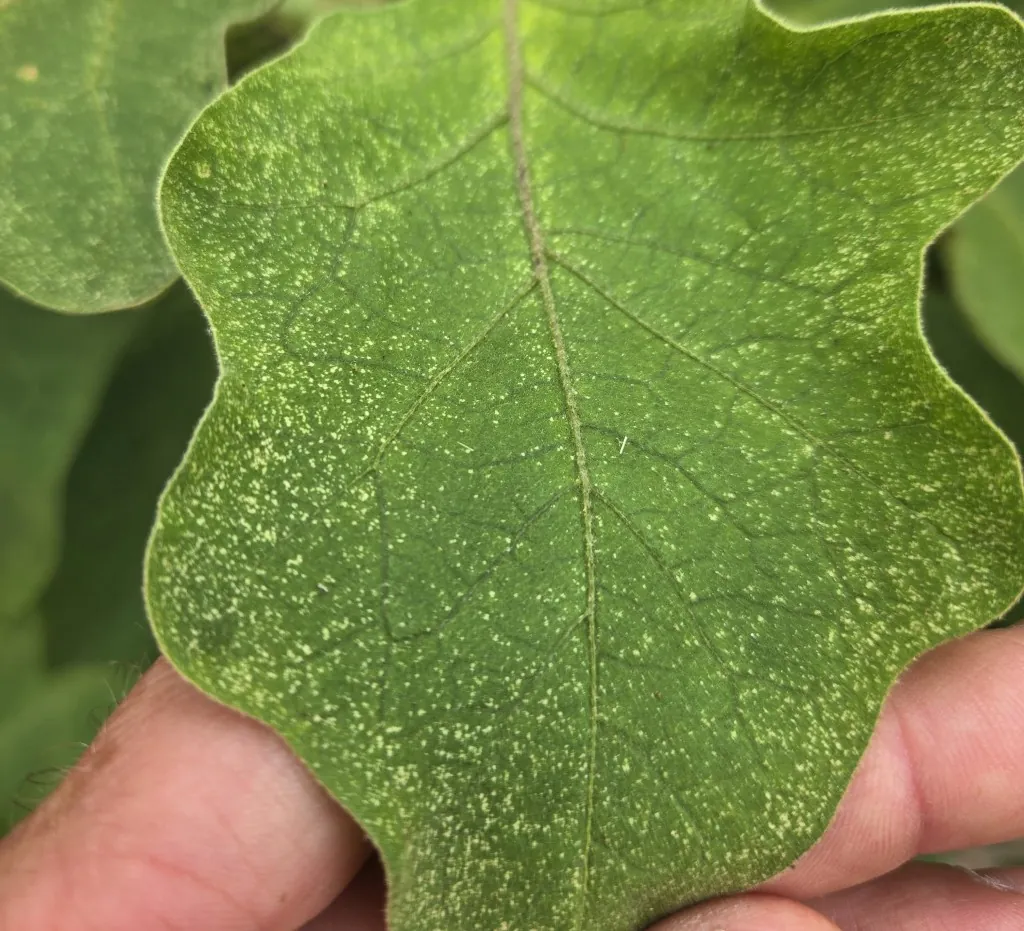
Stippling caused by spider mites on eggplant. — Photo: https://hgic.clemson.edu/
Insect / Pest
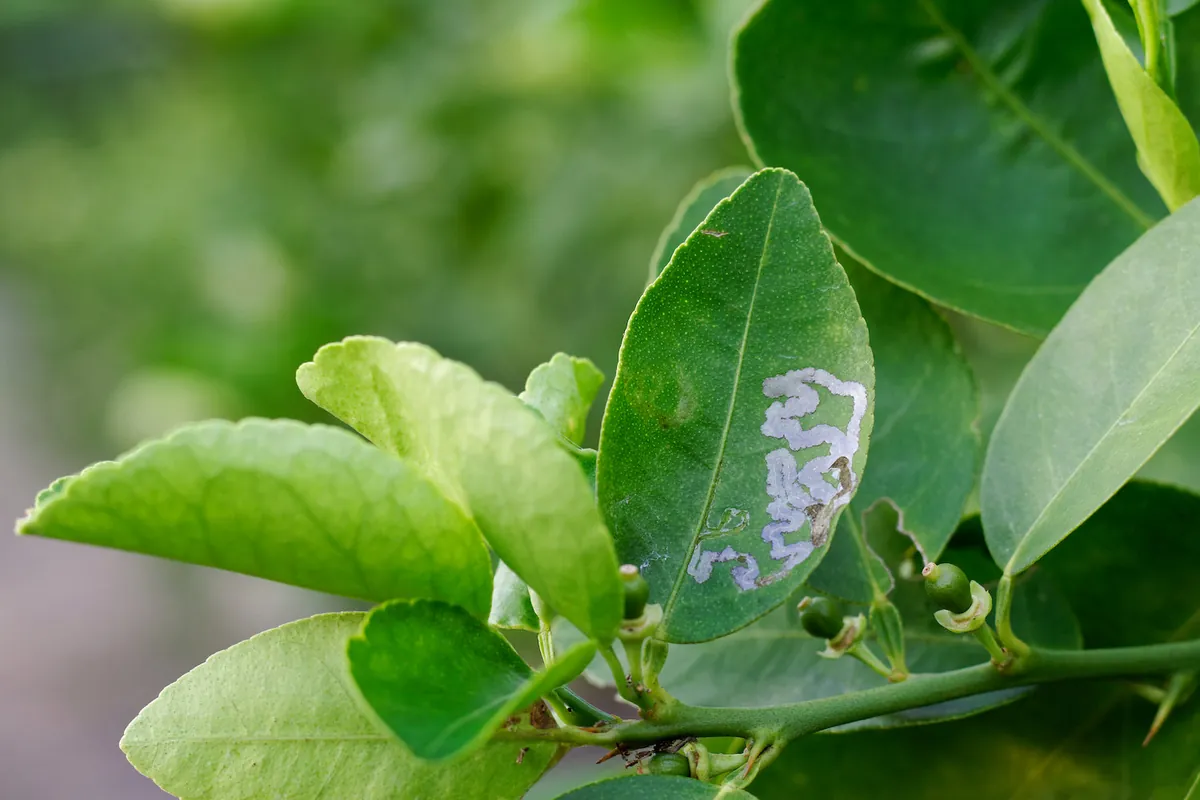
Signs of a citrus leafminer on citrus leaf — Photo: https://grangettos.com/
Insect / Pest
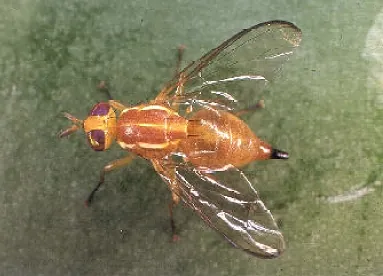
Pacific Fruit Fly — Photo: Pacific Pests, Pathogens & Weeds
Insect / Pest
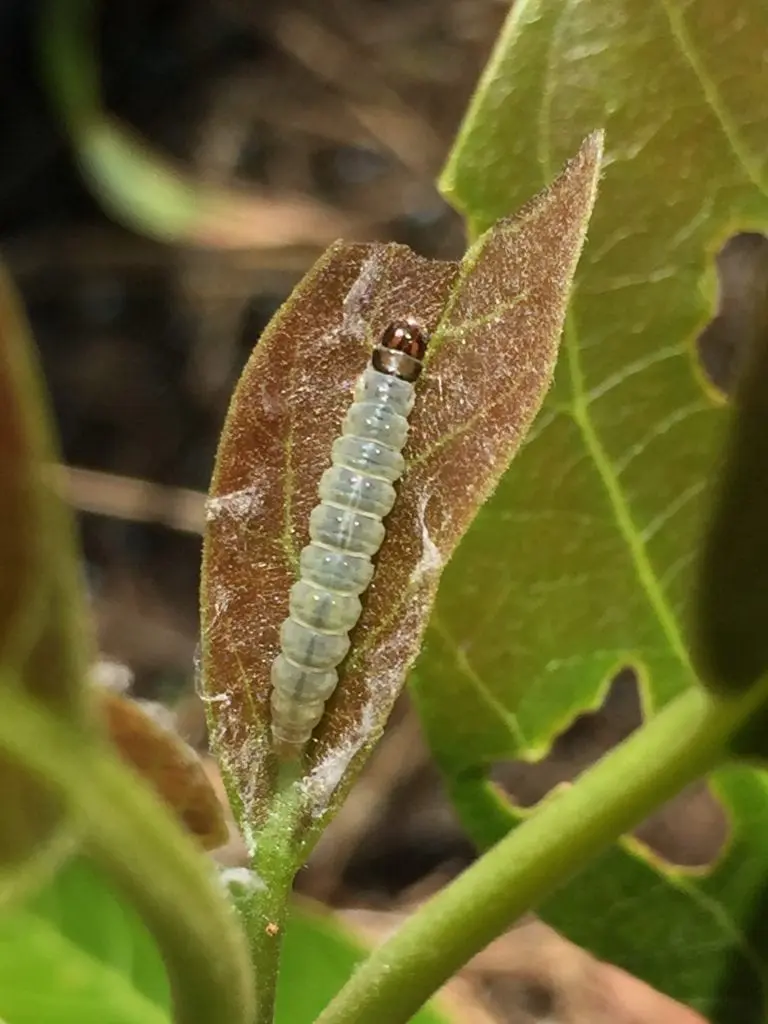
The pupa is bright green when first formed — Photo: http://industry.nzavocado.co.nz/leafroller/
Insect / Pest
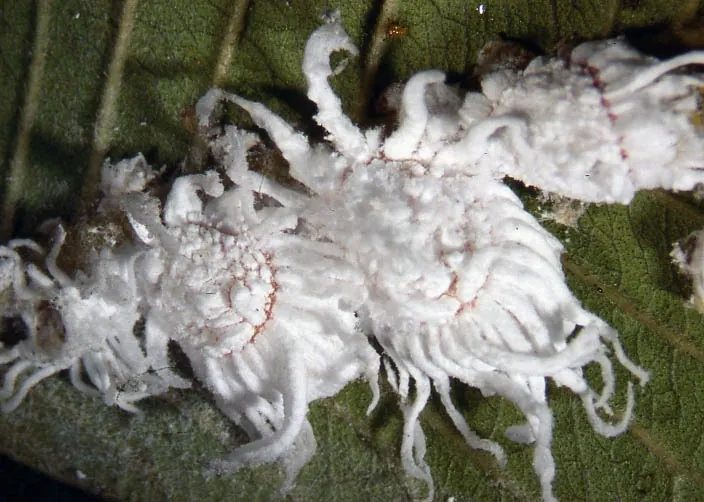
Adult mealybugs showing the long white waxy fringe around the body. — Photo: Pacific Pests, Pathogens & Weeds
Insect / Pest
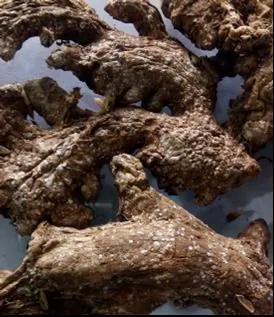
Damaged rhizomes — Photo: https://plantwiseplusknowledgebank.org/
Insect / Pest
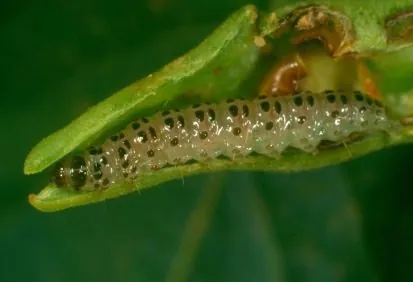
Large bean podborer larva (16 mm) in pod — Photo: https://thebeatsheet.com.au/
Insect / Pest
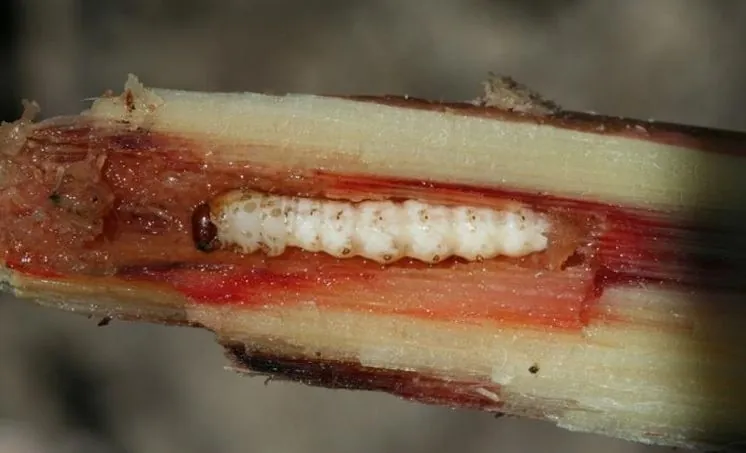
Larva of the sugarcane borer inside the stem of sugarcane. — Photo: Pacific Pests, Pathogens & Weeds
Insect / Pest
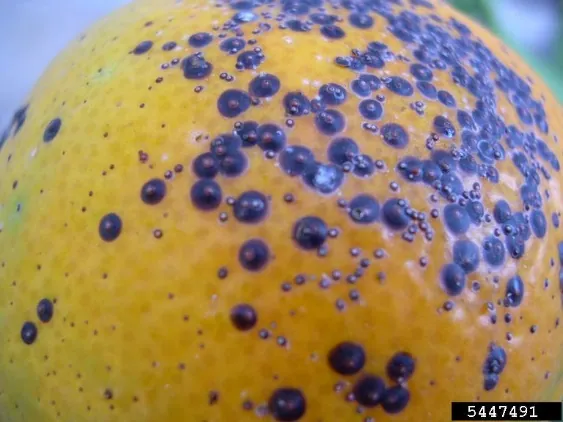
Red scale initially infests citrus fruit and is one of the most damaging scale pests of citrus. — Photo: https://hgic.clemson.edu/factsheet/citrus-insects-related-pests/
Insect / Pest
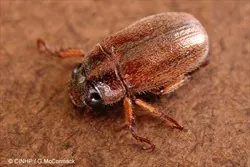
Adult yam rose beetle — Photo: Pacific Pests, Pathogens & Weeds
Insect / Pest
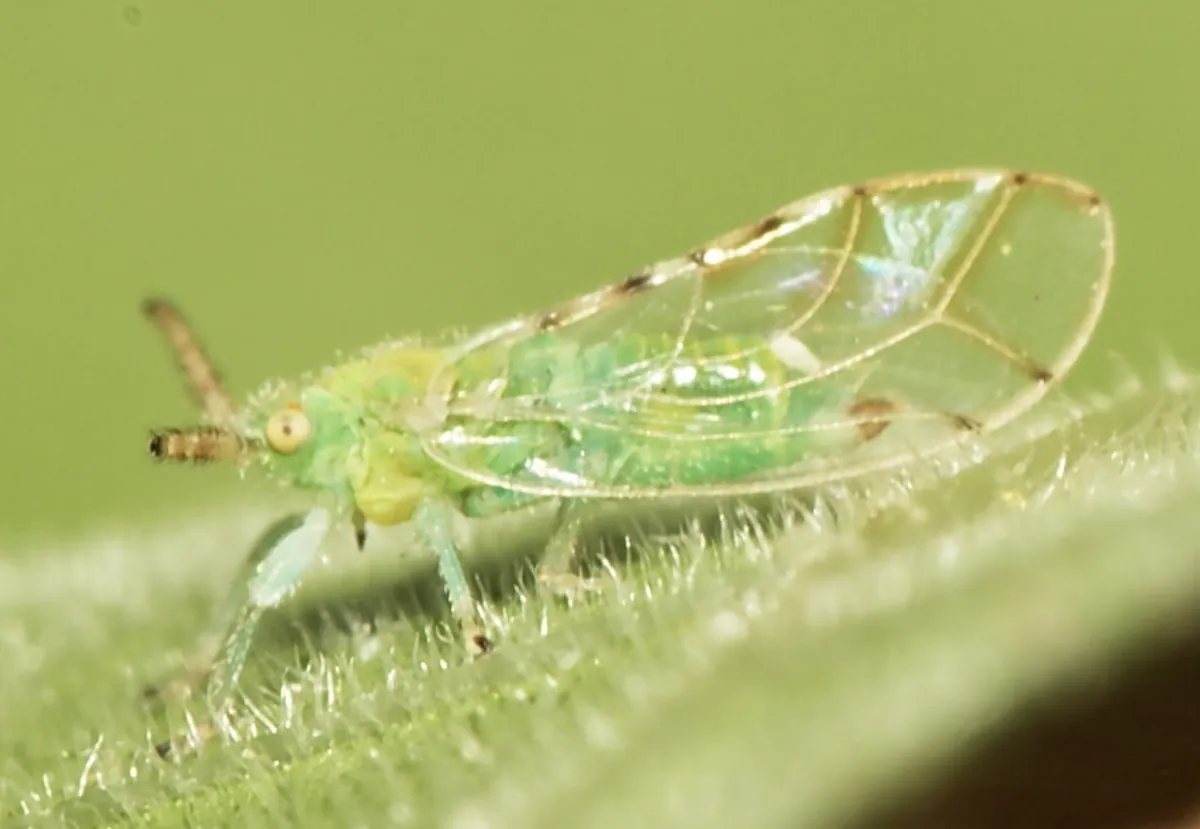
A tiny, sap-sucking insects (jumping plant lice) that specifically target Ficus species — Photo: portioid
Insect / Pest
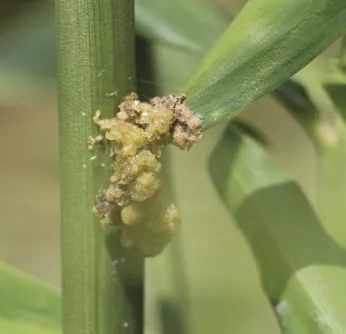
A major pest that significantly reduces crop yield — Photo: https://onlinelibrary.wiley.com/
Insect / Pest
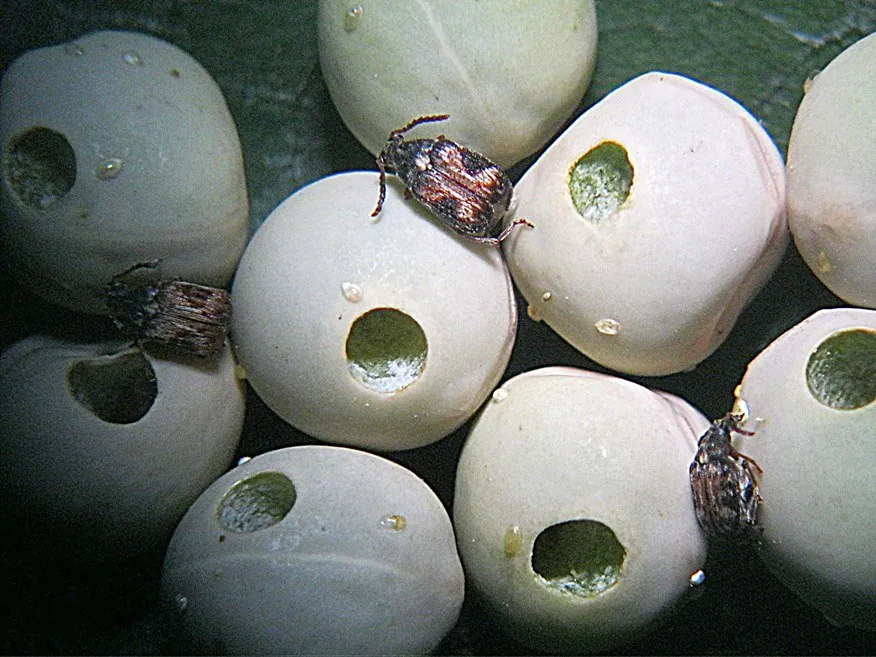
Cowpea bruchid (weevil) adults (3mm) in field peas, harvested — Photo: https://thebeatsheet.com.au/
Insect / Pest
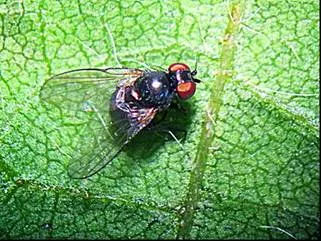
Adult stem fly — Photo: https://thebeatsheet.com.au/
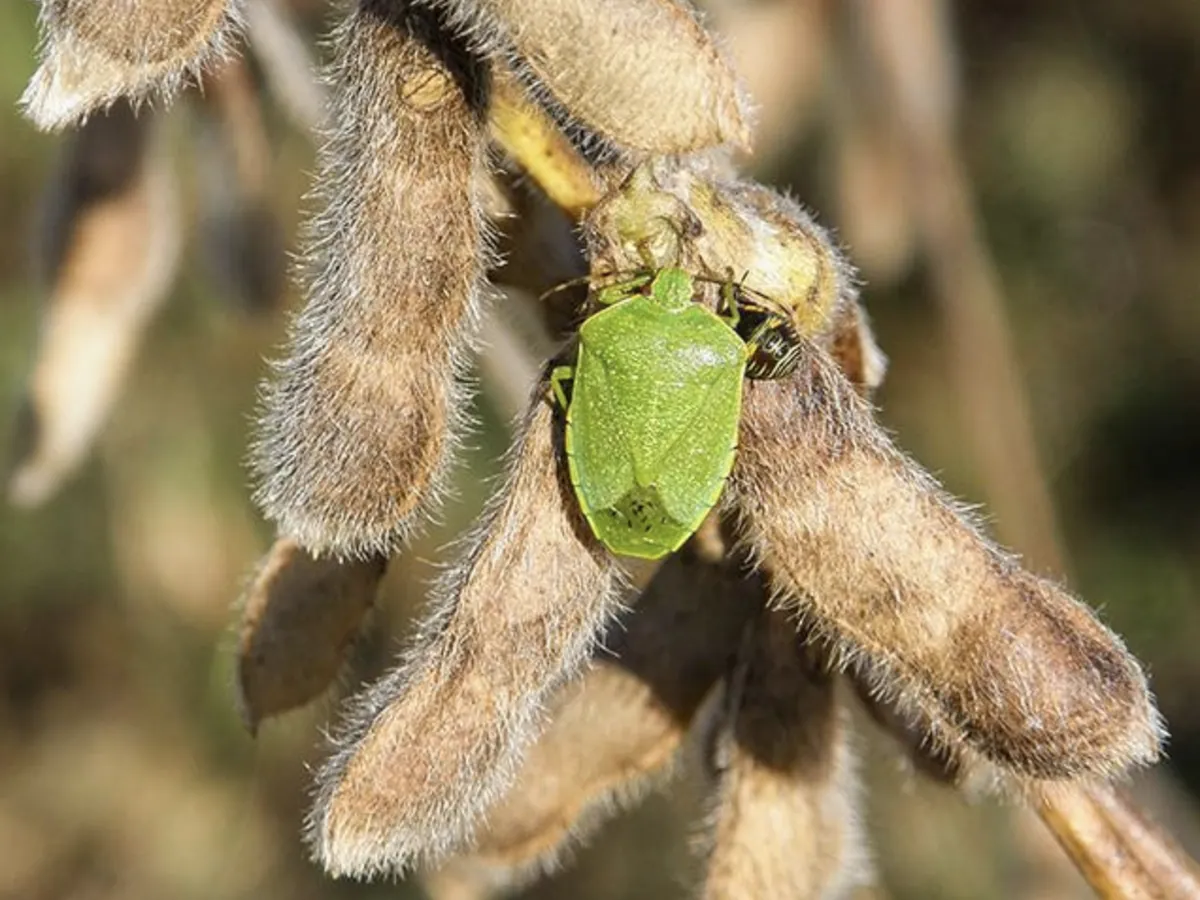
Insect / Pest
Knowing the stink bug's life cycle aids scouting and control practices. — Photo: https://www.dtnpf.com/
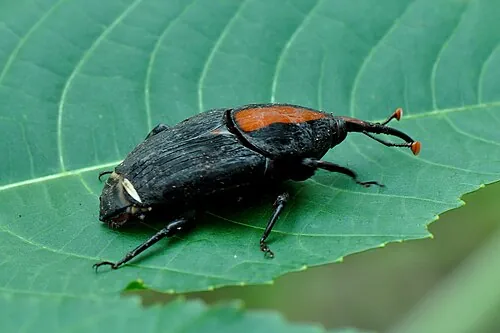
Insect / Pest
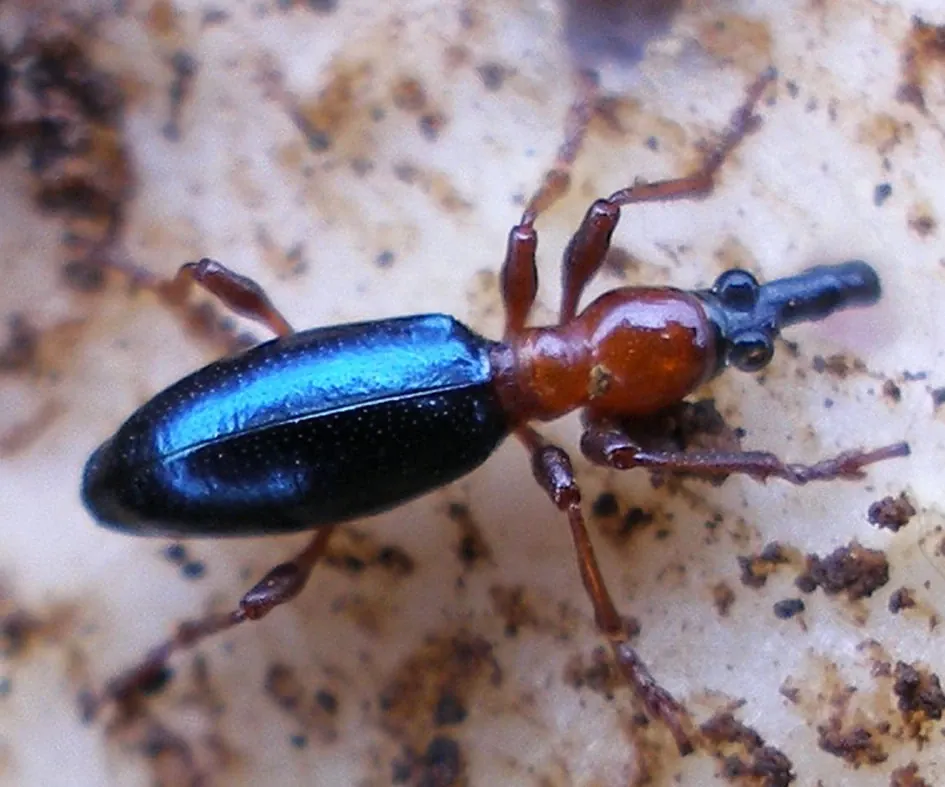
Am adult Sago Palm Weevil (Rhynchophorus) — Photo: https://en.wikipedia.org/wiki/Rhynchophorus_vulneratus
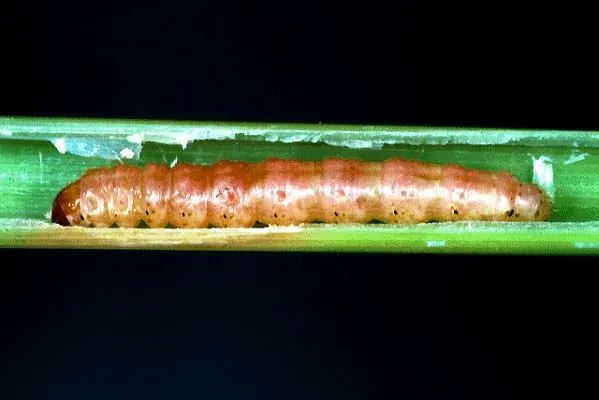
Insect / Pest
Rice stem borer larva. — Photo: https://plantwiseplusknowledgebank.org/
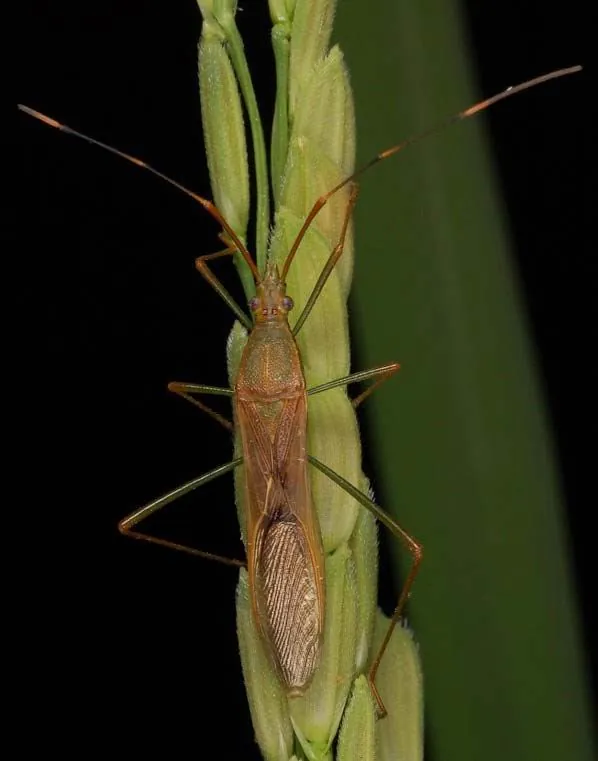
Insect / Pest
A most common species of rice bug — Photo: http://www.knowledgebank.irri.org/
Insect / Pest
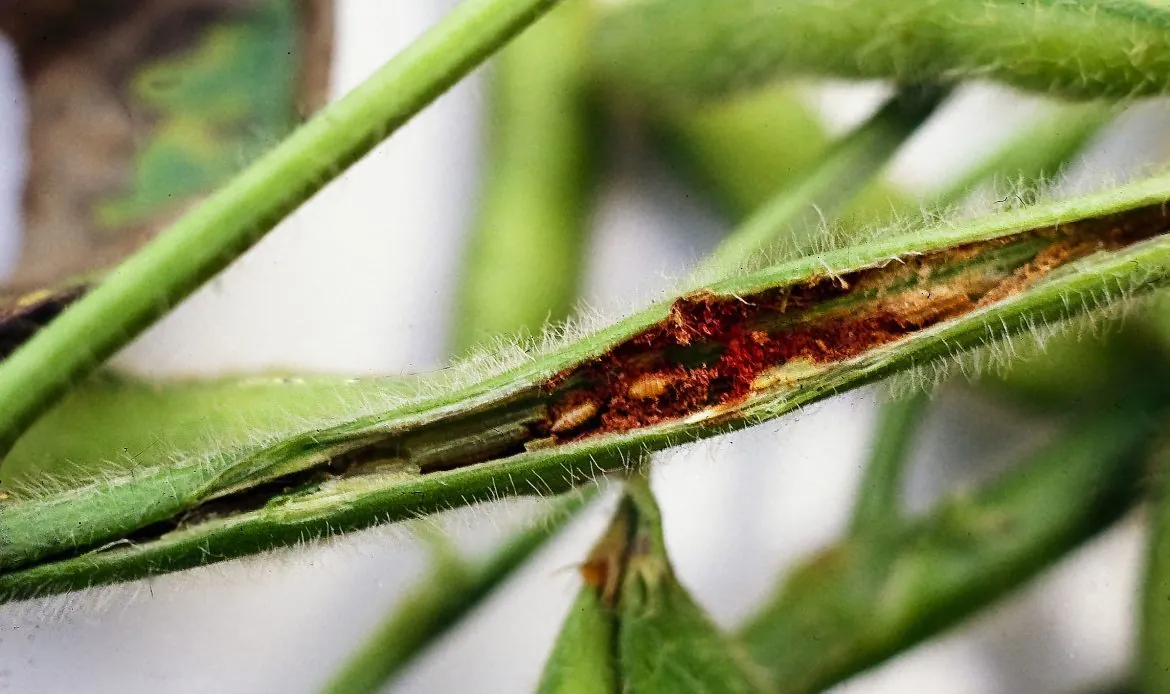
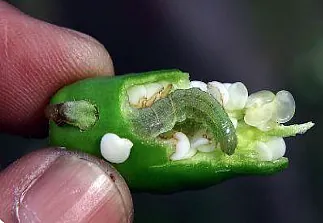
Larva shows colour variation from greenish to brown — Photo: https://agritech.tnau.ac.in/
Insect / Pest
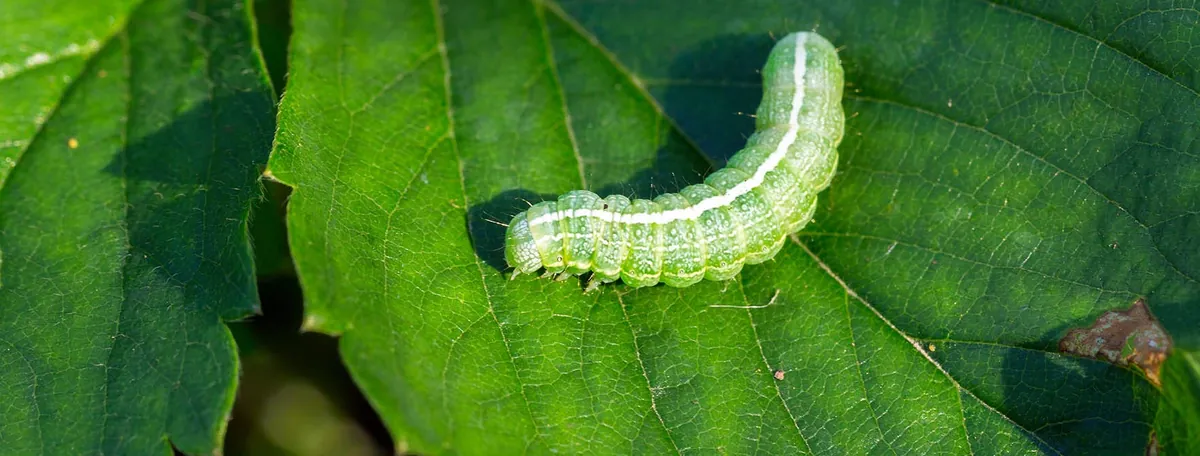
Cabbage looper larvae can be distinguished from most other caterpillars in cole crops by their distinctive looping movement — Photo: https://www.saferbrand.com/
Insect / Pest
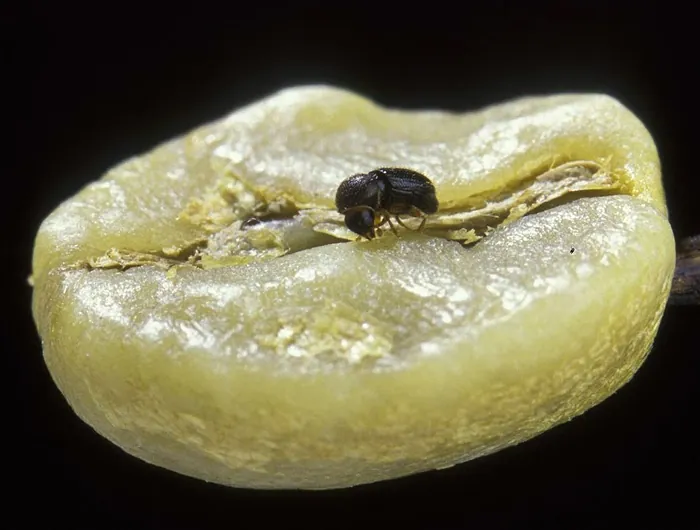
Adult coffee berry borer about 1.5-2.2 mm long, showing its relative size to a coffee bean. — Photo: Pacific Pests, Pathogens & Weeds
Insect / Pest
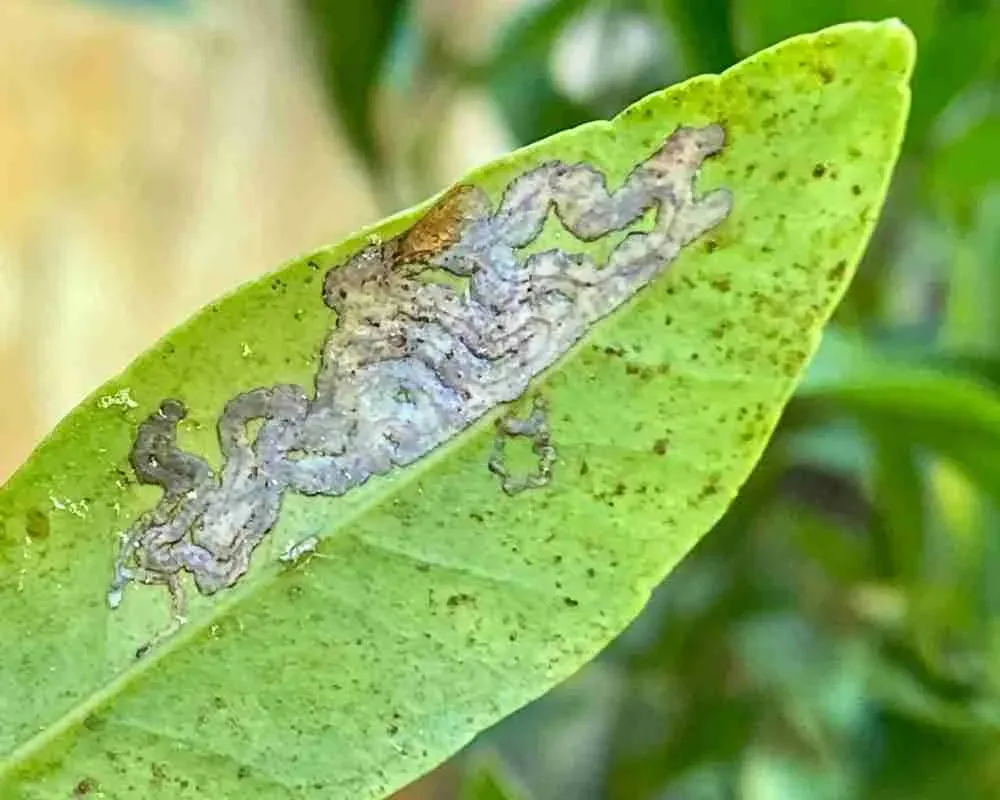
strange silvery squiggly lines on your citrus leaves — Photo: https://www.citrusspot.com/
Insect / Pest
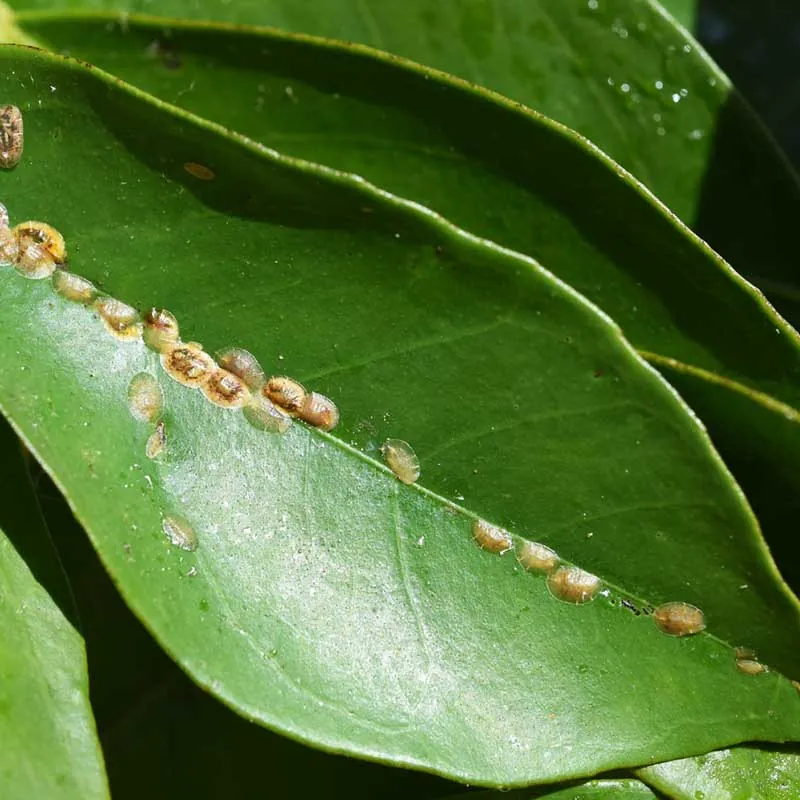
tiny insects that suck sap from the citrus tree and then produce honeydew. — Photo: https://www.fruitsaladtrees.com/
Insect / Pest
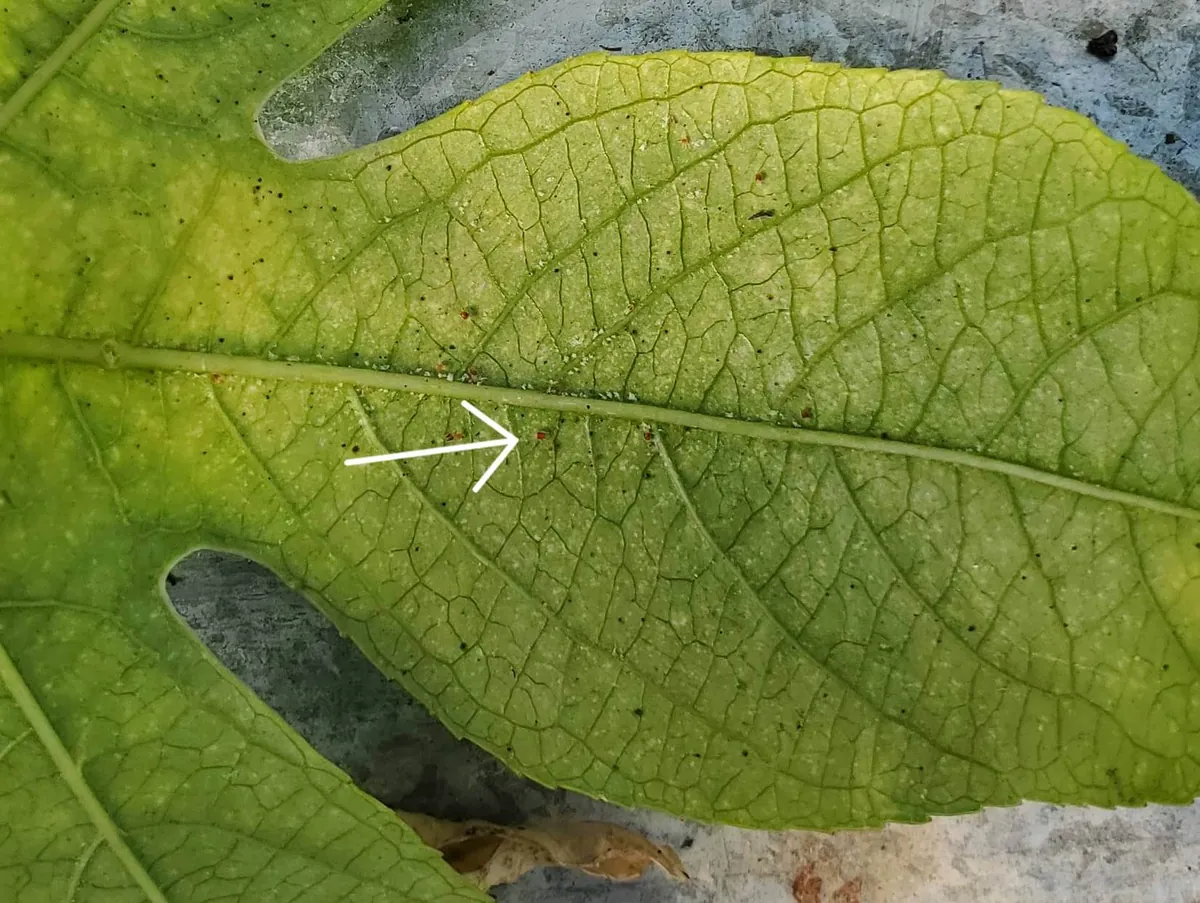
Spider mite can be seen at arrow tip — Photo: https://snowdropfarm.com/
Insect / Pest
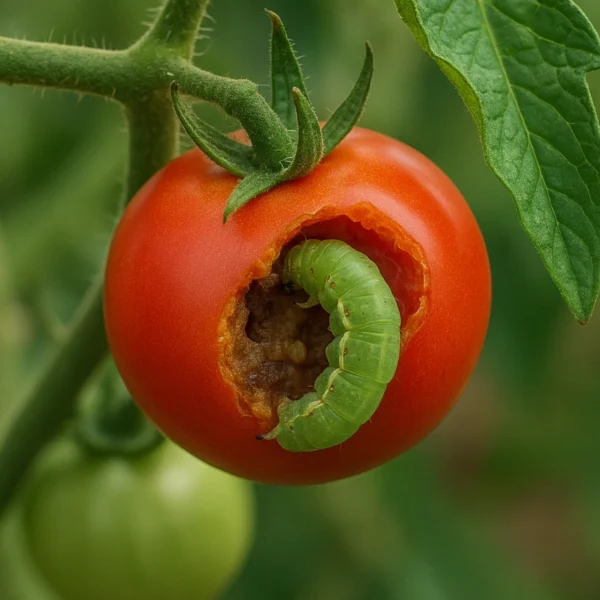
Mature larvae bore circular holes. — Photo: https://highyieldsagro.com/
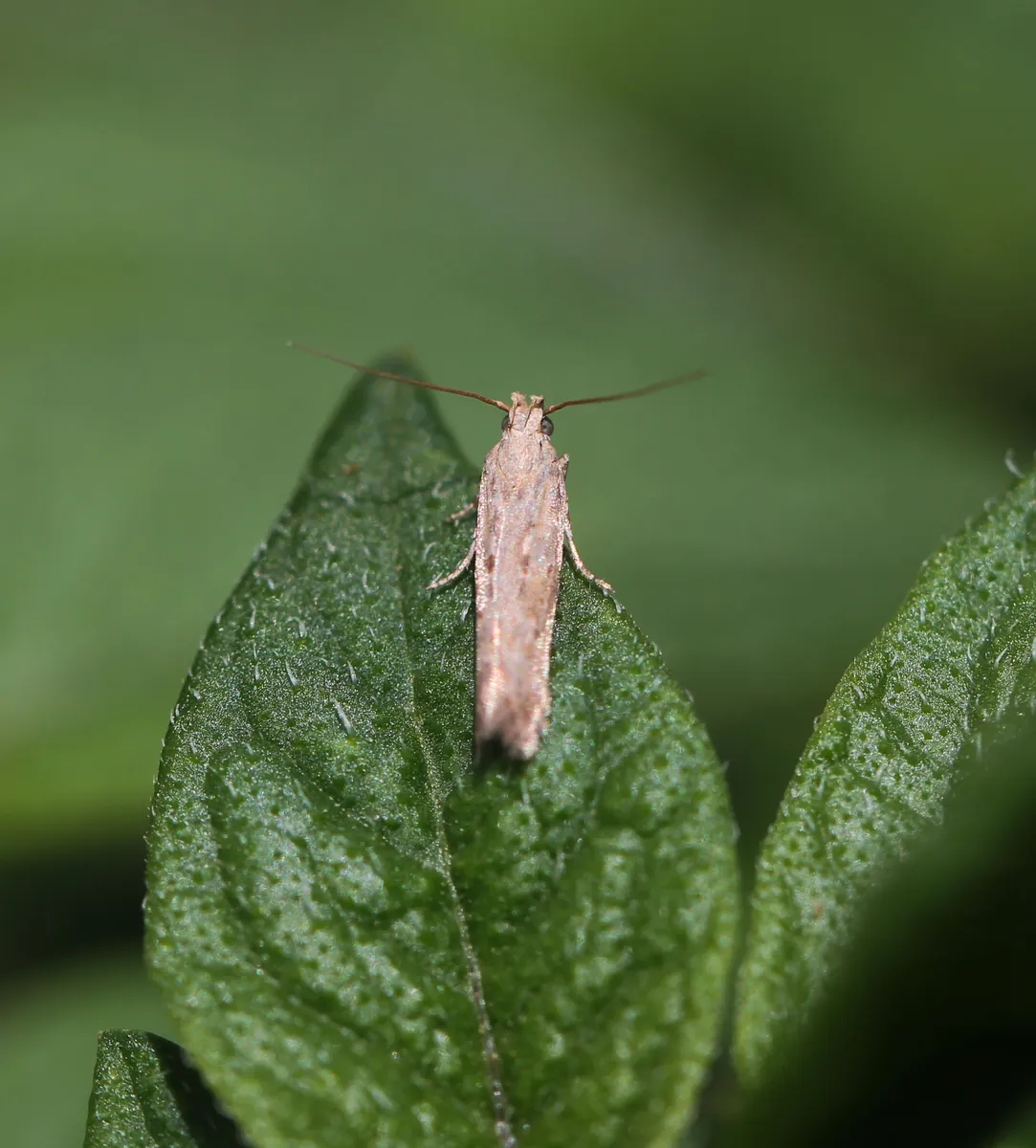
Insect / Pest
Adult potato tuber mot — Photo: https://pestsofbhutan.nppc.gov.bt/
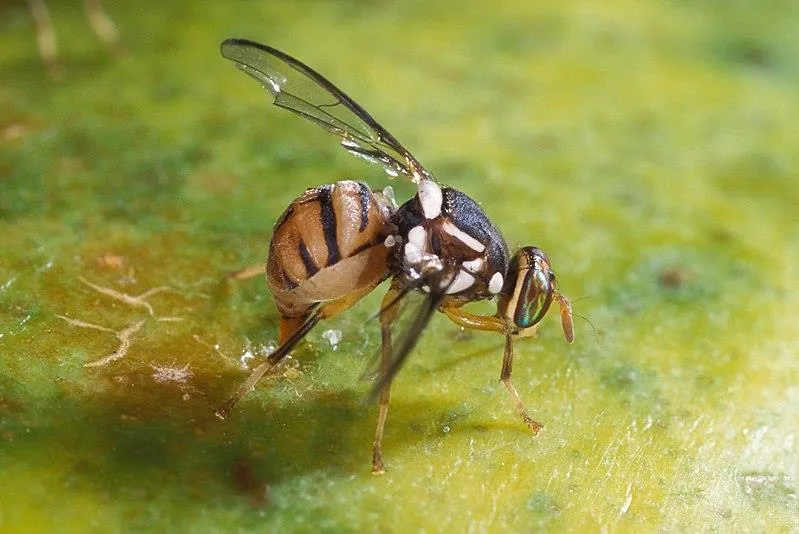
Insect / Pest
Adult female fruit fly — Photo: Scott Bauer, via Wikimedia commons
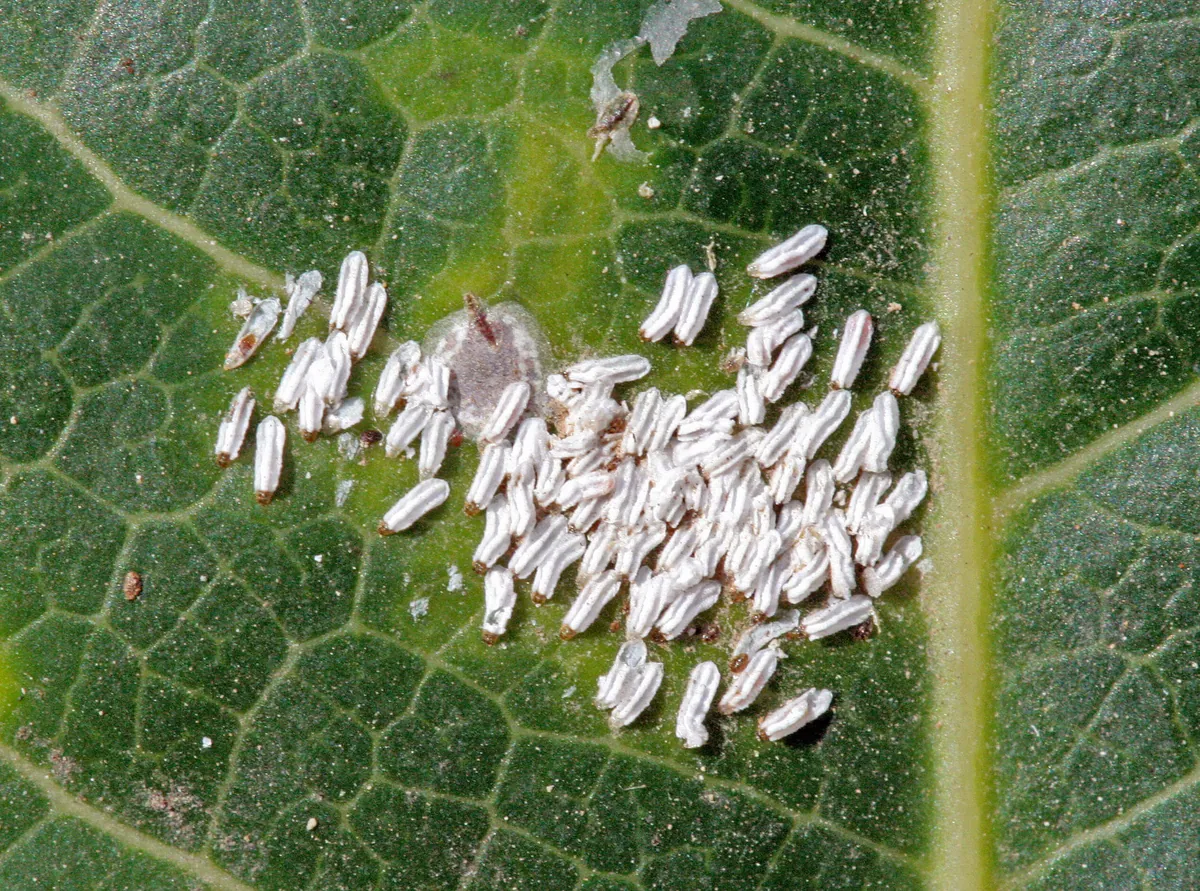
Insect / Pest
Small white or cottony taches on the mango leaves — Photo: https://www.zerimarlaboratoire.com/
Co-infection of Sweet Potato Feathery Mottle Virus and Sweet Potato Chlorotic Stunt Virus, spread by whiteflies and aphids
Oomycete pathogen Phytophthora colocasiae, spread by wind-blown rain and water splash
Soil-borne fungus Fusarium oxysporum f.sp. cubense. Persists in soil for decades. Spread through contaminated soil, water, and planting material.
Fungus (Ceratocystis fimbriata) spread through contaminated planting material and soil
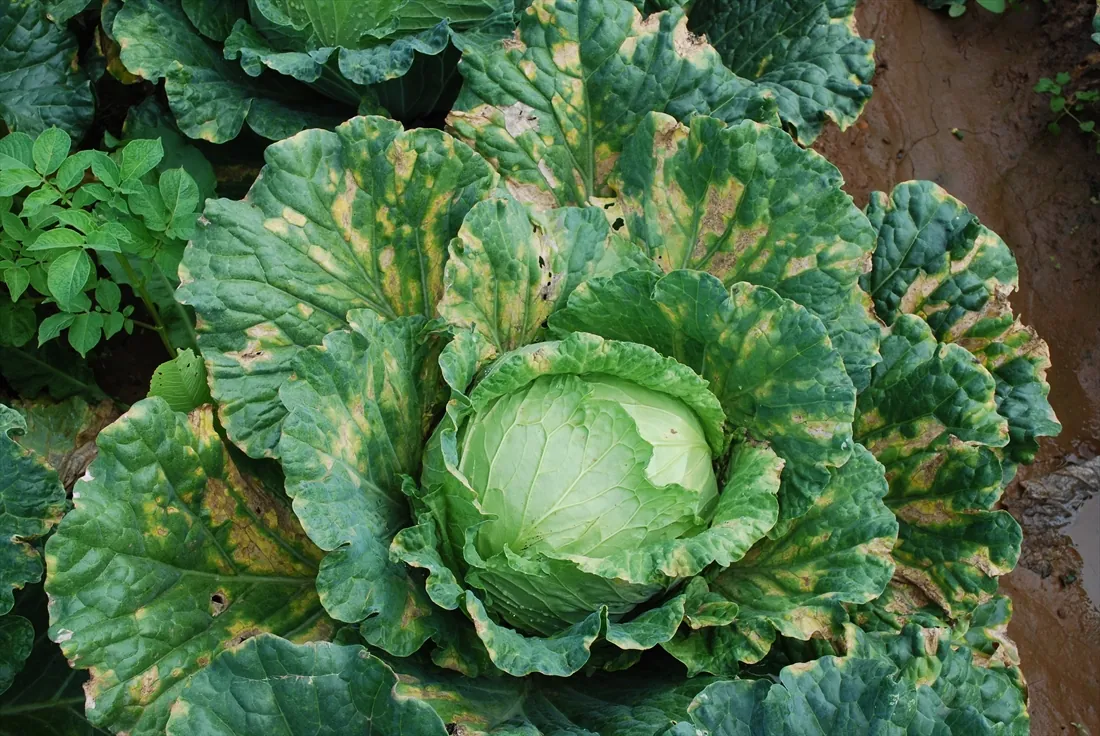
Severe infection of cabbage leaves by the black rot bacterium — Photo: Pacific Pests, Pathogens & Weeds
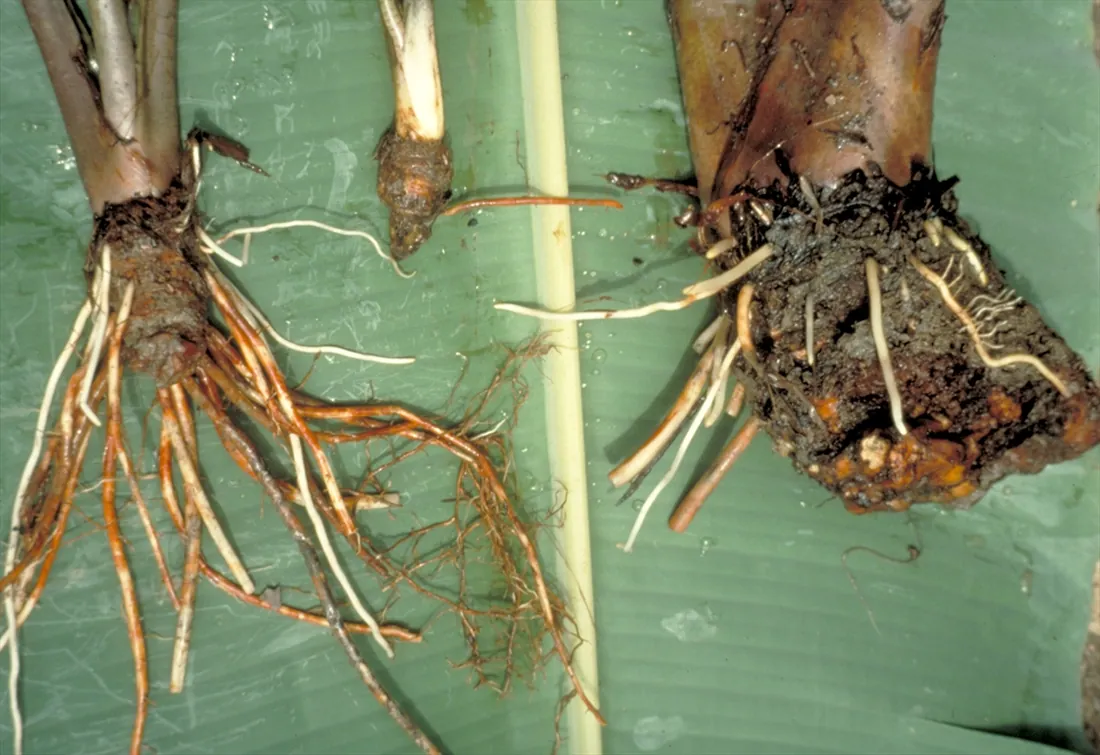
Various soil fungi (Pythium, Fusarium) favoured by poor drainage and wounded corms
Extensive rot over the entire corm (right), and plants lacking fine feeder roots (left) — Photo: Pacific Pests, Pathogens & Weeds
Fungal pathogens favoured by prolonged wet conditions and poor air circulation
Potyvirus spread by aphids in a non-persistent manner (quick transmission)
Fungal pathogens (Cercospora arachidicola and Phaeoisariopsis personata) favoured by wet, humid conditions
Fungus Alternaria porri, favoured by warm, humid conditions and leaf wetness
Fungal pathogens (Alternaria dauci and Cercospora carotae) spread by water splash and humid conditions
Not a disease - caused by stones in soil, fresh manure, uneven watering, or soil compaction
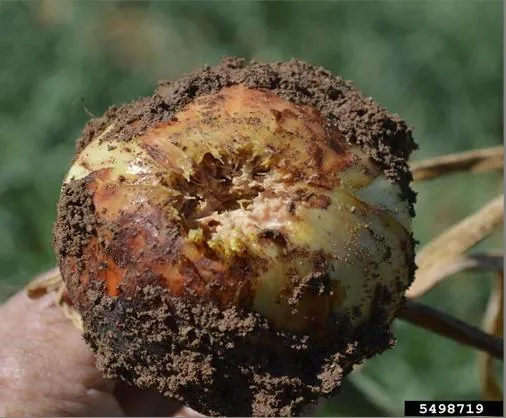
Fusarium oxysporum f.sp. cepae, soil-borne fungus that enters through wounds
Symptom on bulb — Photo: https://plantwiseplusknowledgebank.org/
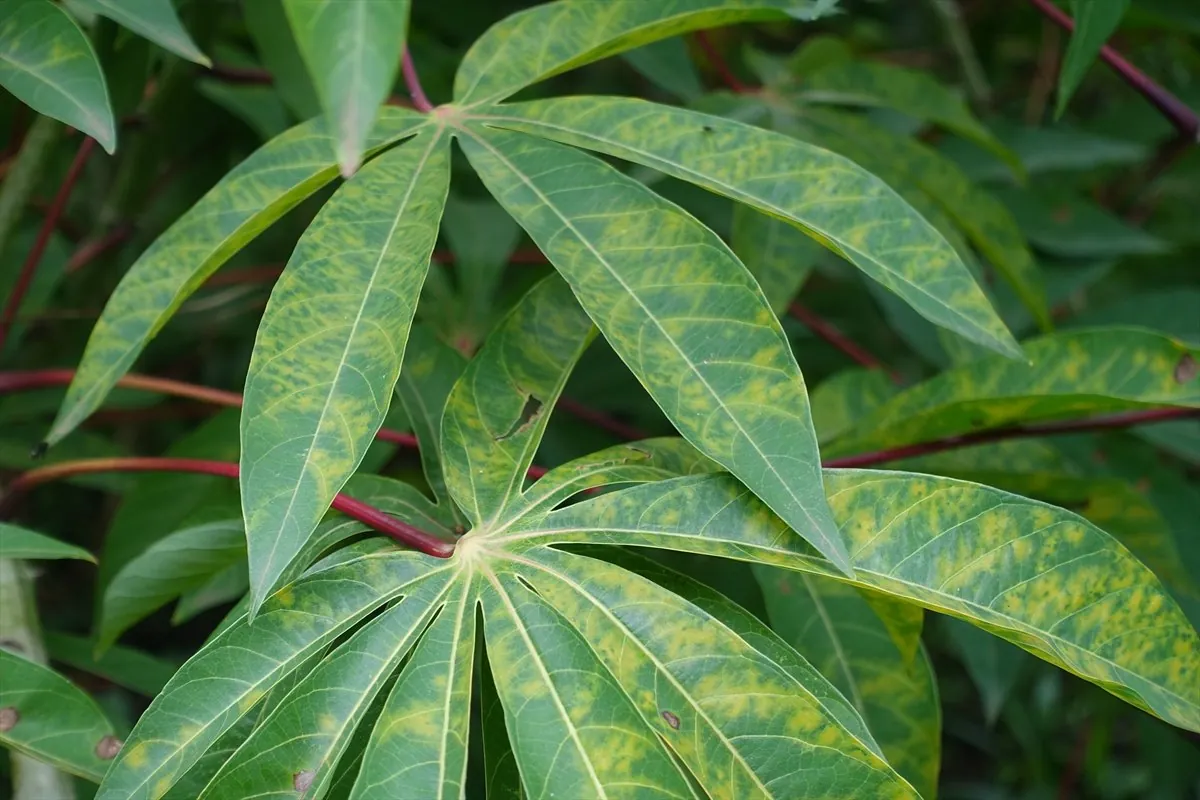
Ipomoviruses transmitted by whiteflies and infected cuttings
Patches developing from the secondary veins have joined with those from adjacent veins. — Photo: Pacific Pests, Pathogens & Weeds
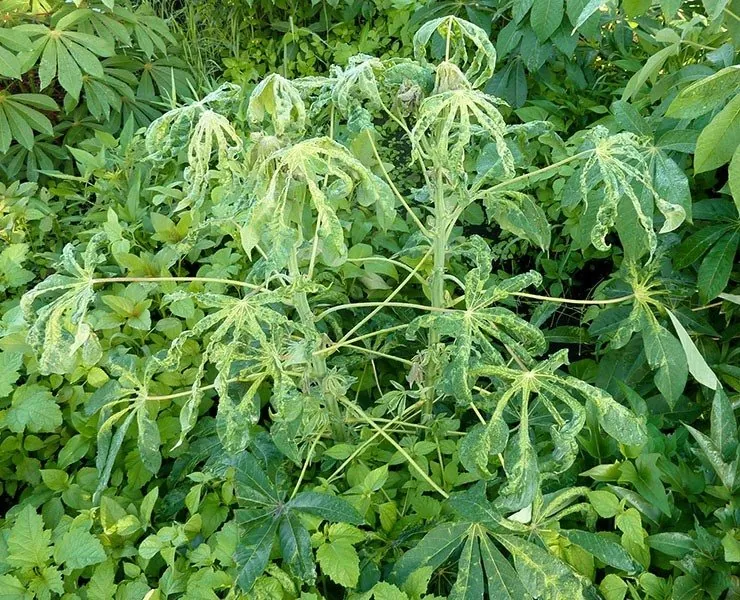
Geminiviruses transmitted by whiteflies (Bemisia tabaci) and through infected cuttings
Whole cassava plant showing severe symptoms of African cassava mosaic virus. — Photo: Phil Taylor
Didymella bryoniae fungus, spread by rain splash and contaminated seed
Pythium species fungi favoured by waterlogged, poorly drained conditions
Phomopsis vexans fungus, seed-borne and spread by rain splash
Ceratobasidium theobromae fungus, spread by wind-borne basidiospores at night
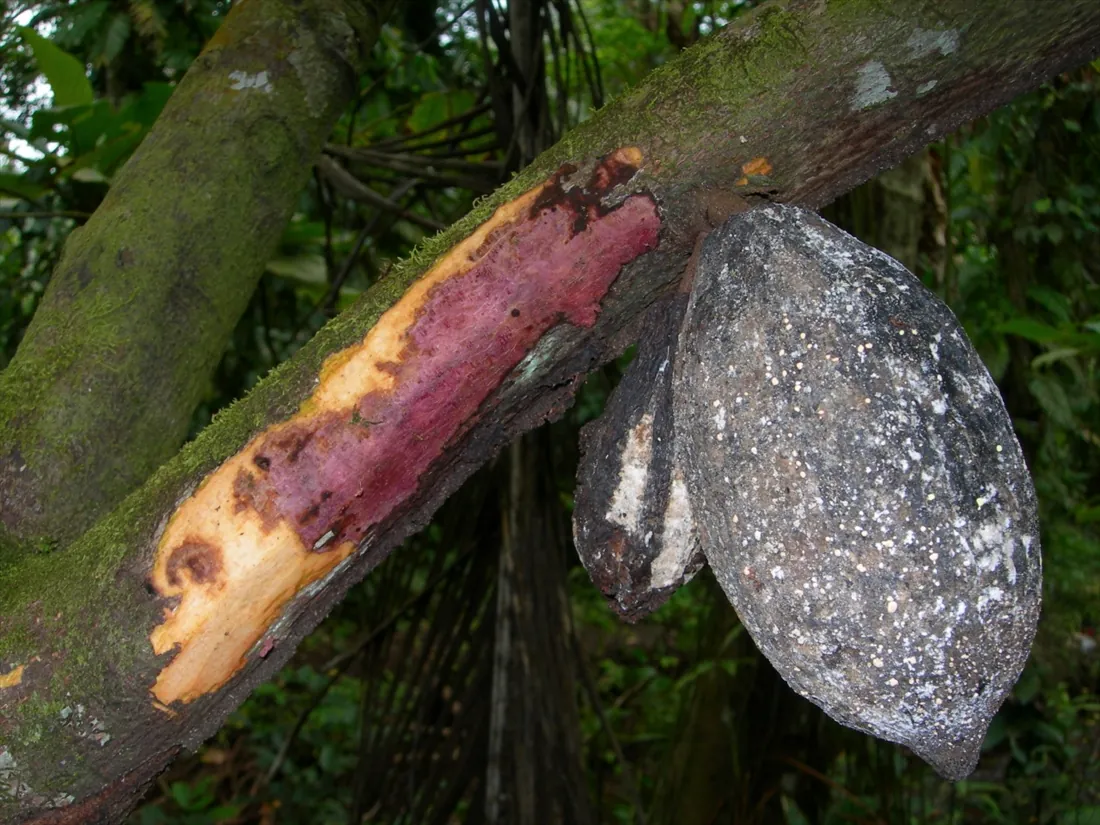
Phytophthora palmivora fungus, spread by rain splash and insects, worst in wet season
The water mouldh as infected the pod and then grown from the pod into the branch. — Photo: Pacific Pests, Pathogens & Weeds
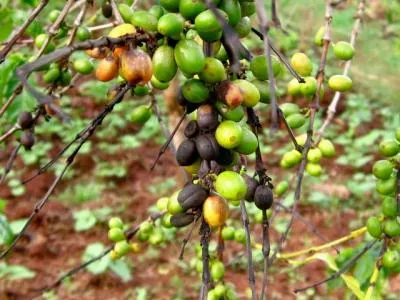
Colletotrichum kahawae fungus, favoured by cool wet conditions in highlands
The coffee berry disease — Photo: https://infonet-biovision.org/
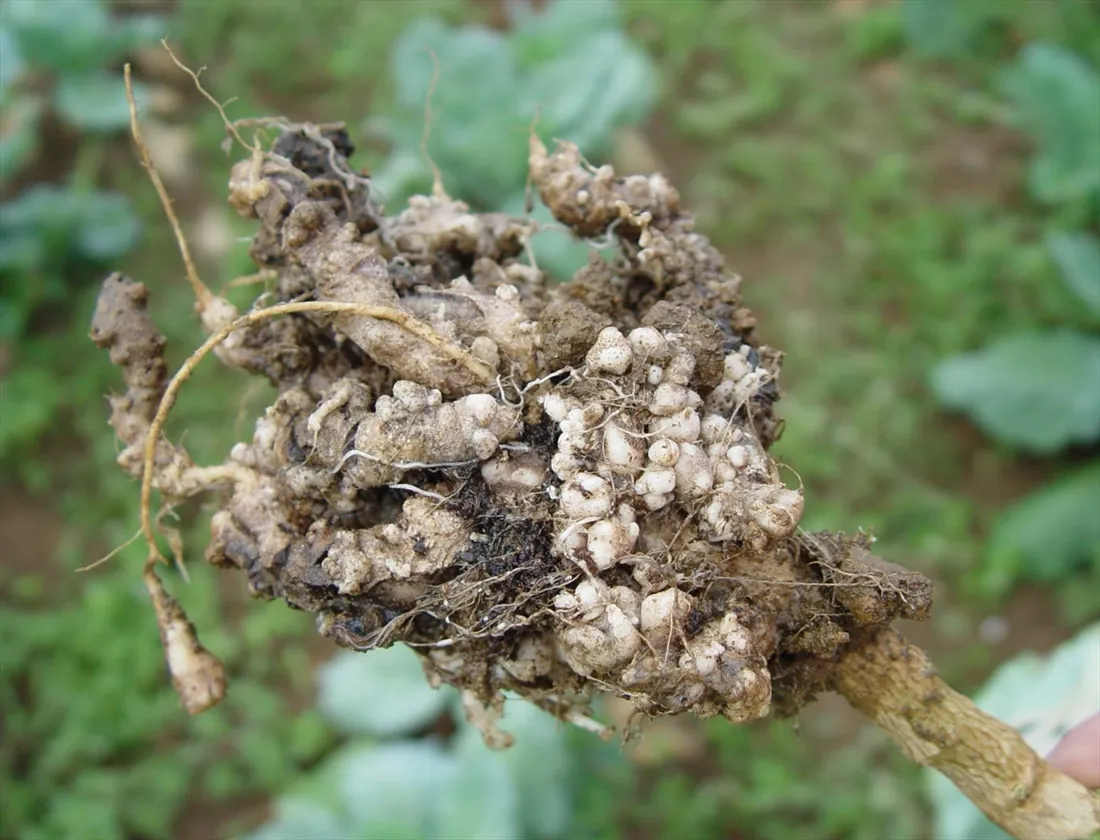
Plasmodiophora brassicae soil organism, persists in soil for 15+ years, favoured by acid soil
Galls on the roots typical of infection by club root, Plasmodiophora brassicae. Not the last of fine roots. — Photo: Pacific Pests, Pathogens & Weeds

Phytoplasma disease transmitted by planthopper insects. Lethal disease found in PNG.
Yellowing of fronds is an early symptom on palms with Bogia coconut syndrome — Photo: Pacific Pests, Pathogens & Weeds
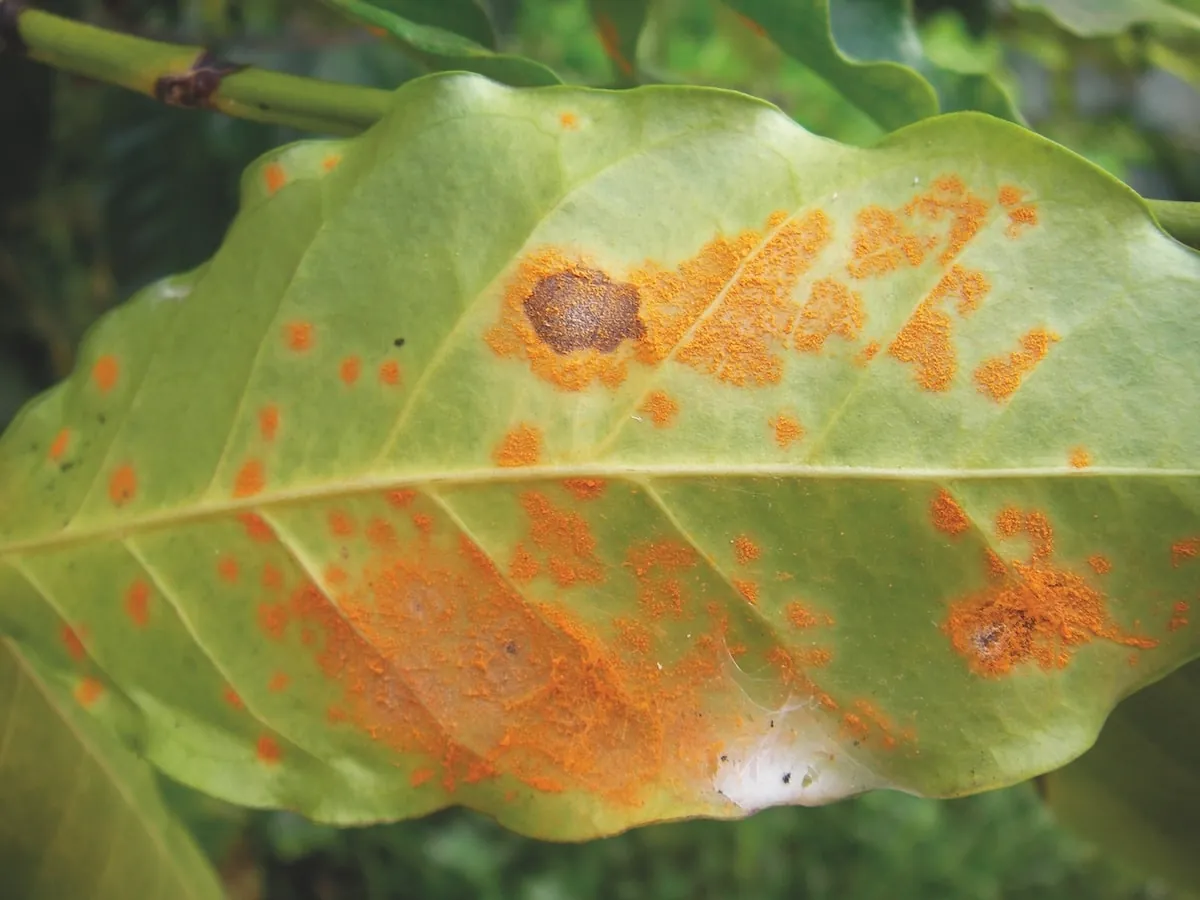
Hemileia vastatrix fungus, spread by wind and rain, worse at lower altitudes and high humidity
Intense coffee leaf rust sporulation on an Arabica leaf. — Photo: Harry Evans
Phytophthora cinnamomi, soil-borne pathogen thriving in wet poorly drained soil
Fusarium oxysporum f.sp. niveum, soil-borne fungus persisting in soil for years
Colletotrichum gloeosporioides fungus, spread by rain splash and infected planting material
Various fungi and bacteria entering through wounds, favoured by waterlogged soil and damaged tubers
Phytophthora and other soil fungi in waterlogged poorly drained soils
Pythium and Fusarium fungi thriving in waterlogged, poorly drained conditions
Synchytrium psophocarpi, a fungal pathogen specific to winged bean
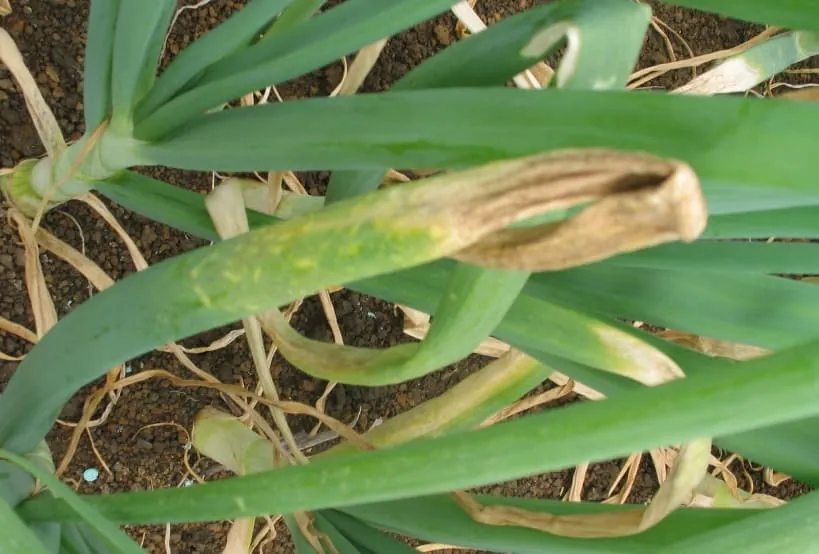
Onion downy mildew is a disease of onions and related crops that damages foliage and bulbs — Photo: https://www.cropscience.bayer.co.nz/
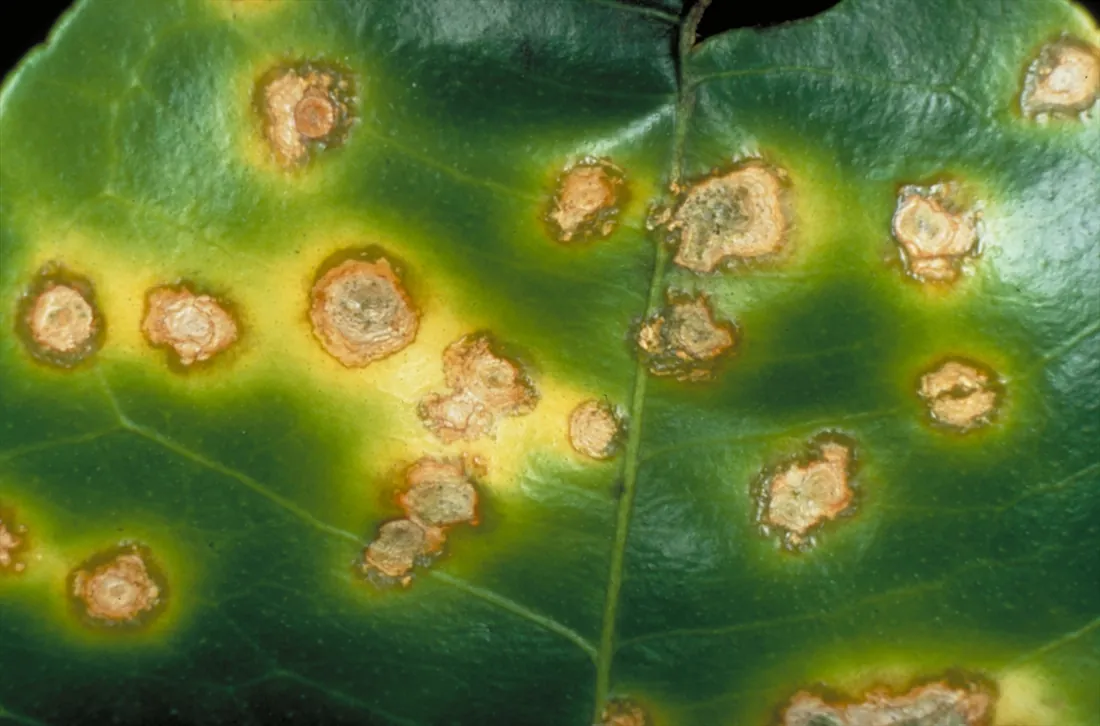
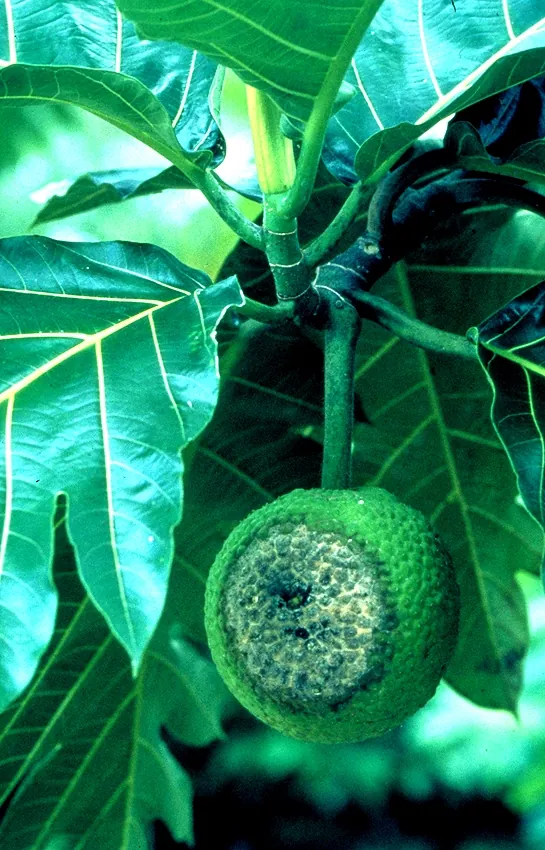
Various fungi (Phytophthora, Rhizopus) entering through wounds, favoured by wet weather
Fruit infection by on breadfruit. The white area is the cottony growth or body of the water mould (it is not a fungus) and contains the spores. — Photo: Pacific Pests, Pathogens & Weeds
Drought stress or mineral deficiency rather than a true disease
Magnaporthe oryzae fungus, spread by wind-borne spores, favoured by humid conditions and excess nitrogen
Fungal infection through wounds in the trunk, often following insect damage
Phakopsora pachyrhizi fungus, spread by wind-borne spores, favoured by warm humid conditions
Begomovirus transmitted by whitefly (Bemisia tabaci)
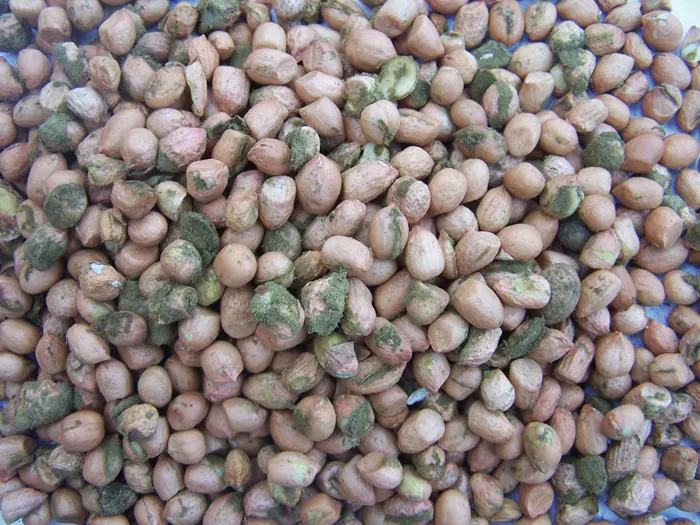
Aspergillus fungi infect pods in drought-stressed conditions or during improper drying and storage
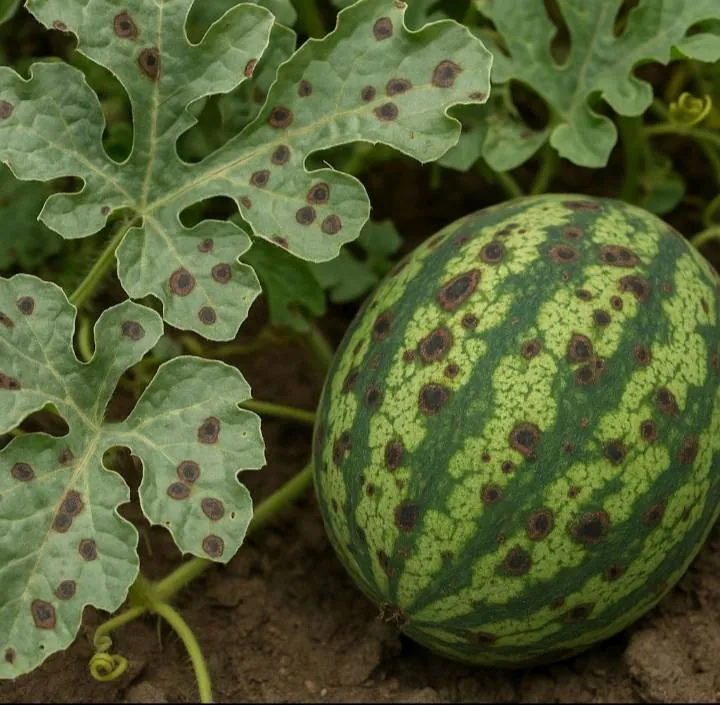
Colletotrichum orbiculare fungus, spread by rain splash and infected seed
Affected Watermelon Leaf & Fruit — Photo: https://cropcare.co.ke/
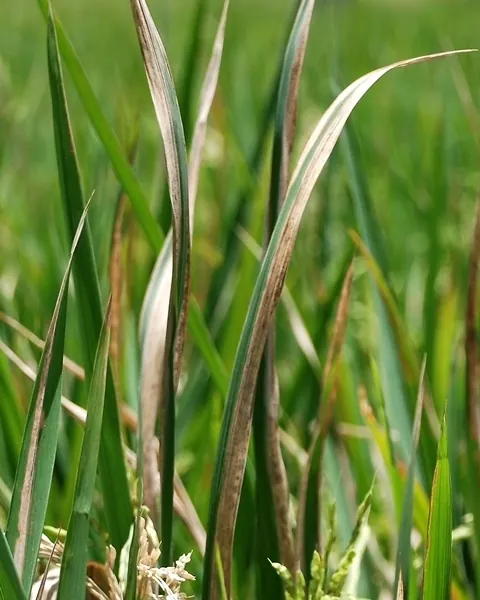
Xanthomonas oryzae pv. oryzae bacteria, spread by wind-driven rain and infected seed
Lesions caused by bacterial blight — Photo: http://www.knowledgebank.irri.org/
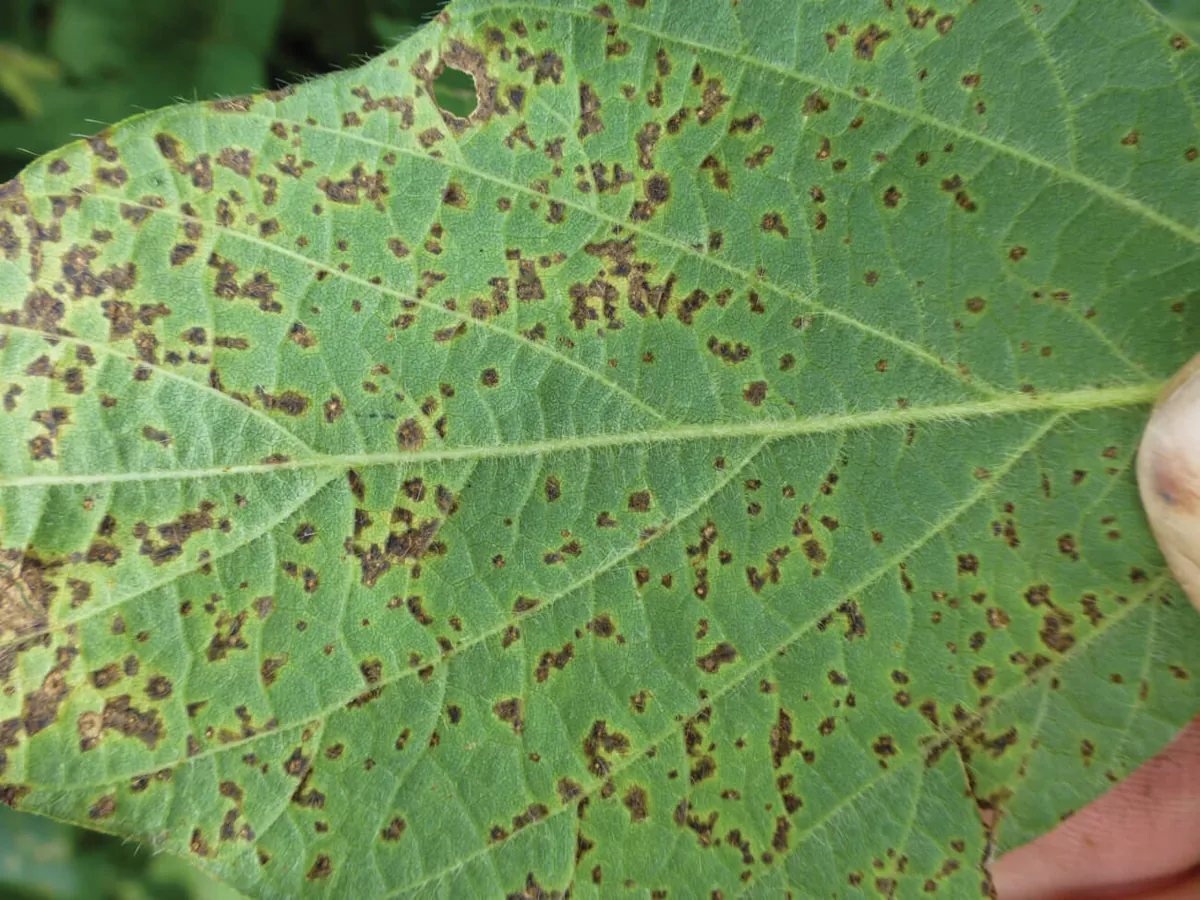
Xanthomonas axonopodis pv. glycines bacteria, spread by rain splash and infected seed
Light green lesions with small, raised blisters — Photo: https://soybeanresearchinfo.com/
Peronospora destructor oomycete, spread by wind and rain, favoured by cool wet conditions
Pale green to yellow oval-shaped patches appear on the middle to upper sections of older leaves. — Photo: https://www.cropscience.bayer.co.nz/
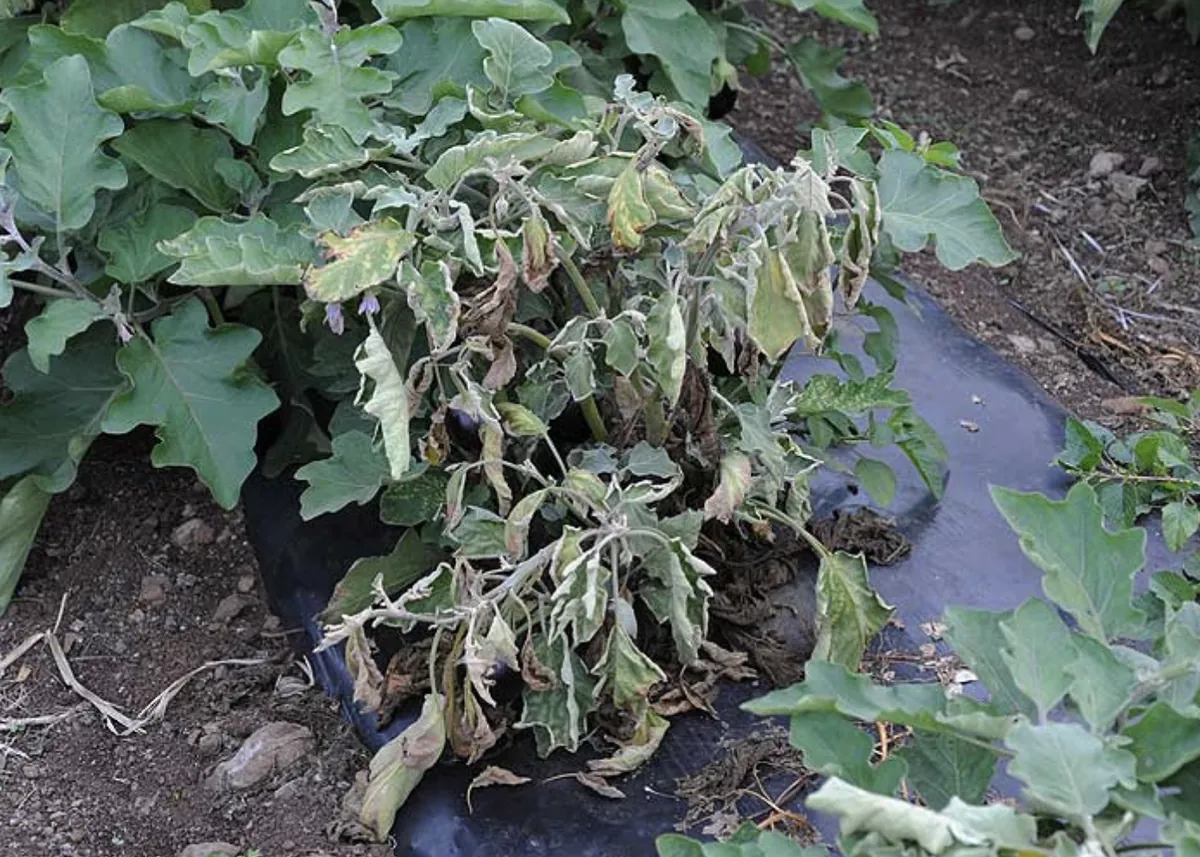
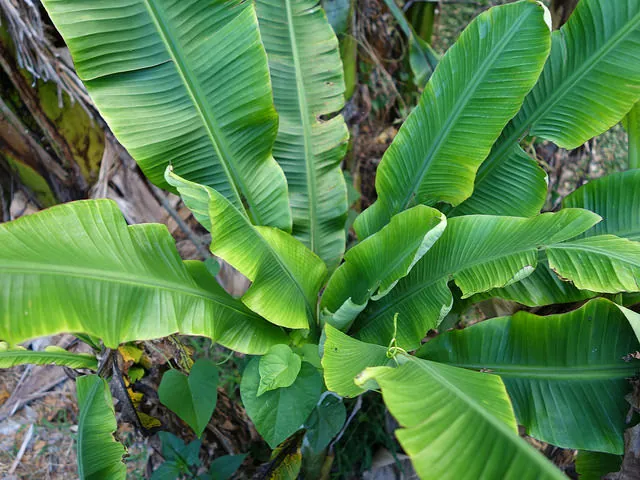
Virus spread by banana aphid (Pentalonia nigronervosa). Also spread through infected planting material.
"Morse-code” pattern that is formed by dark green streaking of veins in the leaf lamina, midribs and petioles — Photo: Scot Nelson
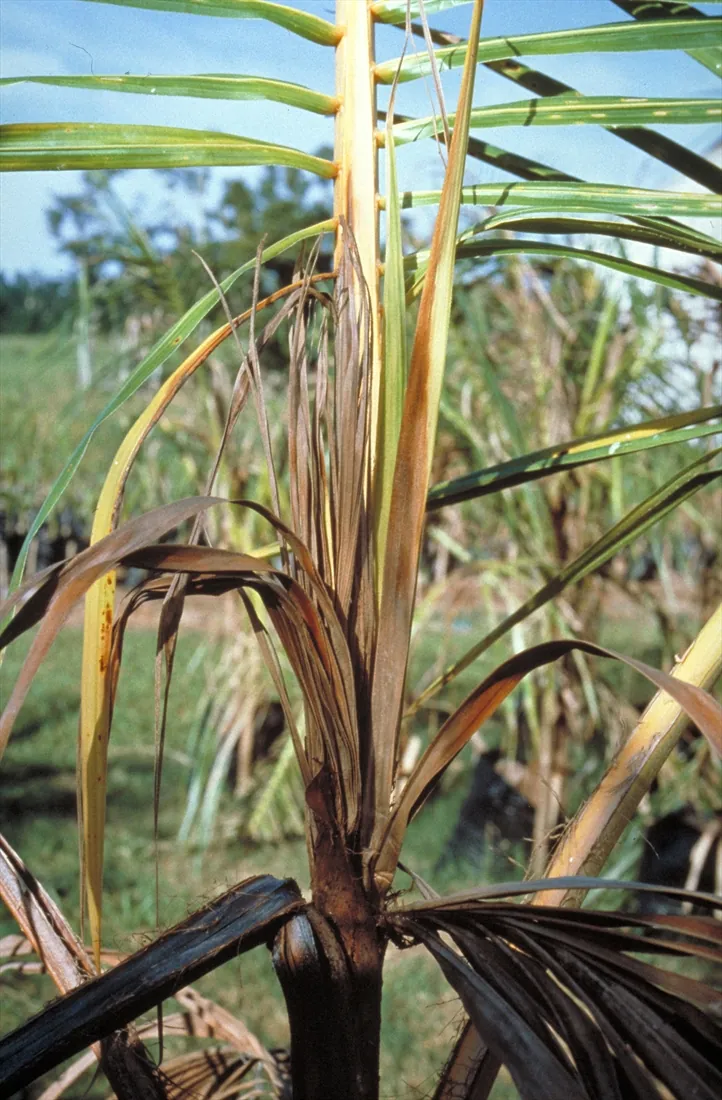
Phytophthora palmivora and other pathogens, favoured by wet conditions and damage to crown
Basal stem rot of coconut seedling — Photo: Pacific Pests, Pathogens & Weeds
Caused by the fungus Alternaria solani, favoured by warm humid conditions and overhead irrigation.
Caused by the oomycete Phytophthora infestans, spread by wind-borne spores in cool wet weather.
Caused by Streptomyces bacteria, worse in alkaline soils and dry weather.
Soil-borne fungi (Pythium, Rhizoctonia) thriving in cool wet overcrowded conditions.
Phytophthora cinnamomi attacking the central growing point, worse in waterlogged soils.
Aspergillus fungi growing on damp kernels stored before fully dry.
Spread by aphids feeding from infected plants to healthy ones.